When your dog scoots across the carpet, licks beneath the tail, or suddenly smells unusually fishy, it is understandable to wonder what is happening. The symptoms of clogged anal glands in dogs can be uncomfortable, but they are also common and usually treatable. You do not have to panic — but you do need to notice the pattern, especially if your dog seems painful or the behavior keeps returning.
What the anal glands do
Dogs have two small scent glands positioned inside the rectum, roughly at the four o’clock and eight o’clock positions. These sacs normally release a strong-smelling fluid when a dog passes a firm stool. In some dogs, the fluid becomes thick, the openings do not empty well, or inflammation makes normal drainage difficult. A gland can then become impacted, meaning the material is trapped inside.
The symptoms of clogged anal glands in dogs can range from mild irritation to a painful infection. Small dogs are often reported with recurring gland trouble, although any dog can develop it. Loose stools, chronic diarrhea, constipation, allergies, excess weight, and individual anatomy can all affect how well the sacs empty. A single scooting episode does not prove there is a gland problem, because intestinal parasites, skin irritation, or something stuck near the anus can look similar.
Common symptoms of clogged anal glands in dogs
Scooting is the classic clue. Your dog may drag the rear across carpet, grass, or a hard floor, sometimes leaving a small smear. Frequent licking or chewing under the tail is another common sign. You might notice a sudden fishy or metallic odor, especially after your dog sits down or gets excited.
Other changes are easier to miss. A dog may turn quickly toward the tail, resist sitting, hold the tail differently, or seem uncomfortable during bowel movements. Some dogs strain, pass small amounts of stool, or pause repeatedly while trying to poop. Redness, swelling, damp fur, or a small sore beside the anus deserves attention. If the gland has ruptured, you may see blood, pus, or an open draining spot.
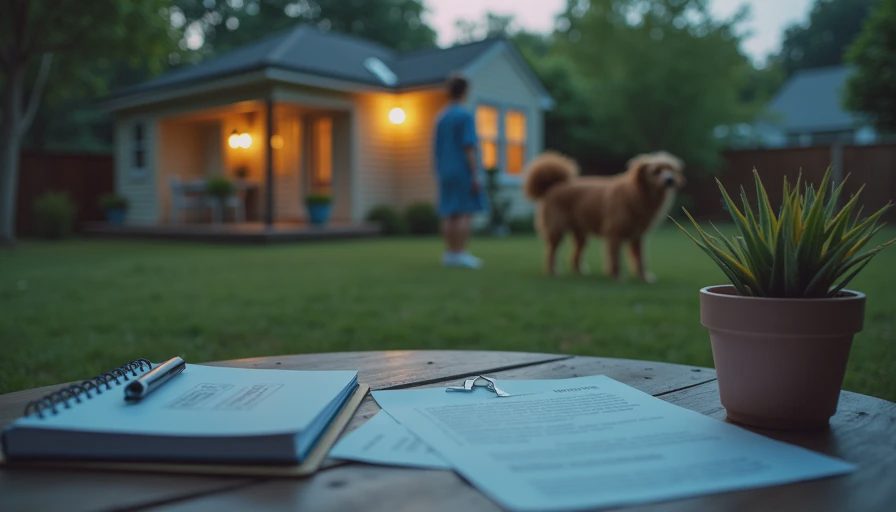
Pain can change behavior, too. A normally social dog may avoid touch near the hips, snap when the tail is lifted, hide, or seem restless. A strong odor by itself is not an emergency, but odor combined with swelling, tenderness, or discharge should prompt a veterinary call. These signs are useful observations, not a home diagnosis.
Why the pattern matters
The symptoms of clogged anal glands in dogs often appear after a change in stool quality. Soft stool does not put as much pressure on the gland openings as a firm, formed bowel movement. Repeated diarrhea can also irritate the area. Food allergies or environmental allergies may lead to licking and inflammation, creating a cycle in which the dog licks more, the skin becomes sore, and the original gland issue is harder to identify.
Weight and body shape can matter because extra tissue around the pelvis may make natural emptying less effective. Some dogs simply have narrow ducts or sacs that do not drain easily. Recurring problems do not mean you have done something wrong. They do mean your veterinarian should look for contributing issues rather than treating every episode as an isolated blockage.
What to do at home before the appointment
If your dog is comfortable and the skin is intact, gently look beneath the tail in good light. Note redness, swelling, odor, discharge, stool consistency, and how often the behavior occurs. Take a brief video of scooting or straining if the behavior is intermittent. Write down recent food changes, diarrhea, new treats, itching, and any previous gland treatment.
Do not squeeze the glands yourself unless a veterinary professional has specifically taught you how and confirmed it is appropriate. External expression can cause bruising or irritation, while internal expression may be painful and is easy to perform incorrectly. Avoid inserting cotton swabs, applying human creams, or using leftover antibiotics. A warm, damp cloth can clean surface residue, but stop if your dog shows pain.
The symptoms of clogged anal glands in dogs are a reason to arrange an exam when they persist, recur, or come with discomfort. At the visit, a veterinarian may perform a rectal examination and gently express the sacs if that is safe. Treatment can include pain relief, medication for infection or inflammation, and a plan to improve stool quality. Fiber changes should be discussed first because the right amount depends on your dog’s diet, health, and bowel habits.

When the problem needs prompt care
The symptoms of clogged anal glands in dogs become more urgent when there is marked swelling, severe pain, fever, low energy, loss of appetite, or difficulty passing stool. A hot lump beside the anus, pus, active bleeding, or a foul wound may indicate an abscess or rupture. Contact your veterinarian promptly rather than waiting for the area to open on its own.
Seek urgent veterinary help if your dog cannot defecate, is crying repeatedly, seems weak, or has rapidly worsening swelling. Painful dogs can bite even when they are normally gentle, so do not force an examination. Keep children away from the area and use a cone if your dog is damaging the skin through licking, unless a professional advises another approach.
Preventing repeat episodes
After an examination, prevention usually focuses on the reason the sacs are not emptying well. Your veterinarian may discuss a consistent, appropriate diet, managing diarrhea, treating allergies, gradual weight loss, or scheduled professional expression for a dog with frequent impactions. Do not add pumpkin, fiber powder, or supplements automatically. Too much fiber can cause gas, constipation, or an unbalanced diet, and some medical conditions require a different approach.
Ask practical questions: Are both glands affected? Is there infection or only impaction? Does the stool need to be firmer? Could allergies or weight be contributing? How should you monitor the area at home? If episodes happen several times a year despite treatment, ask whether additional testing or referral is appropriate.
The best way to use information about symptoms of clogged anal glands in dogs is to track changes without guessing at the cause. A simple note in your phone can record scooting, licking, stool quality, odor, and treatment dates. That history helps your veterinary team see whether the problem is occasional or part of a larger pattern.
You know your dog’s normal behavior better than anyone. Notice the warning lights, avoid painful home procedures, and get help when discomfort, swelling, or discharge appears. Calm observation gives your dog a better chance at quick relief and helps prevent a small blockage from becoming a more serious infection.



No notes yet — write the first one.