Dog uti symptoms can start quietly. Your dog may ask to go outside more often, squat several times without producing much urine, or lick the genital area after coming back inside. Sometimes the first clue is an accident from a dog who has been reliably house-trained for years. You do not have to panic — but you do need to notice. Urinary changes deserve a conversation with your veterinarian because a bladder infection is only one possible explanation.
Common signs owners notice first
The most familiar dog uti symptoms involve changes in urination. A dog may suddenly need more frequent bathroom breaks, strain or take longer to urinate, or pass only a small amount each time. You might see dribbling on bedding, damp fur around the rear legs, or accidents near the door. Some dogs squat repeatedly on a walk while producing very little urine.
Watch for changes in urine appearance and smell, too. Cloudy urine, unusually strong odor, or pink, red, or rust-colored urine can indicate blood or inflammation. Do not rely on color alone, because concentrated urine can look darker after a dog has not had much water. Still, any visible blood should prompt a call to the clinic rather than a wait-and-see approach.
Behavior can provide another clue. A dog who seems restless, repeatedly licks the urinary opening, pants while trying to settle, or guards the belly may be uncomfortable. Others become quieter, less interested in food, or reluctant to jump onto furniture. These changes are not proof of a UTI, but they help your veterinarian decide how quickly your dog should be examined.

Why a UTI is not the only possibility
Dog uti symptoms overlap with several urinary and reproductive problems. Bladder stones can irritate the bladder or interfere with urine flow. Kidney disease, diabetes, prostate conditions, vaginal inflammation, and incontinence can also cause increased urination or accidents. In some dogs, excessive drinking is the first sign of a broader medical issue rather than a simple bladder infection.
That overlap is why leftover antibiotics, human medications, or cranberry products are not a reliable treatment plan. An antibiotic that helped a previous infection may not match the current bacteria, and the symptoms could come from stones or another condition that needs a different response. Human pain relievers such as ibuprofen and acetaminophen can be dangerous for dogs and should never be given unless a veterinarian specifically directs you.
Age, sex, and health history matter. Female dogs are often more prone to bladder infections because of their anatomy, while older dogs and dogs with diabetes or kidney problems may have increased risk. Puppies, senior dogs, and pets with recurring urinary issues generally deserve a lower threshold for veterinary evaluation.
When urinary changes become urgent
Some dog uti symptoms need same-day attention, and a few are emergencies. Seek urgent veterinary care if your dog repeatedly tries to urinate but produces nothing, cries out while straining, has a firm or painful-looking abdomen, vomits, becomes profoundly weak, or collapses. A complete urinary blockage can become life-threatening, particularly in male dogs, and it cannot be safely managed at home.
Blood in the urine, fever, marked lethargy, back or flank pain, and refusal to eat also warrant prompt contact with a veterinary clinic. These signs can occur with a bladder problem, but they can also suggest infection involving the kidneys or another painful condition. If your regular practice is closed, call an emergency hospital for triage instructions.
Do not force large amounts of water into a nauseated dog, wait several days for severe symptoms to pass, or press firmly on the abdomen. Offer normal access to fresh water and keep your dog calm while arranging care. A brief video of straining or frequent squatting can help the veterinary team understand what you observed.
What the veterinary visit may include
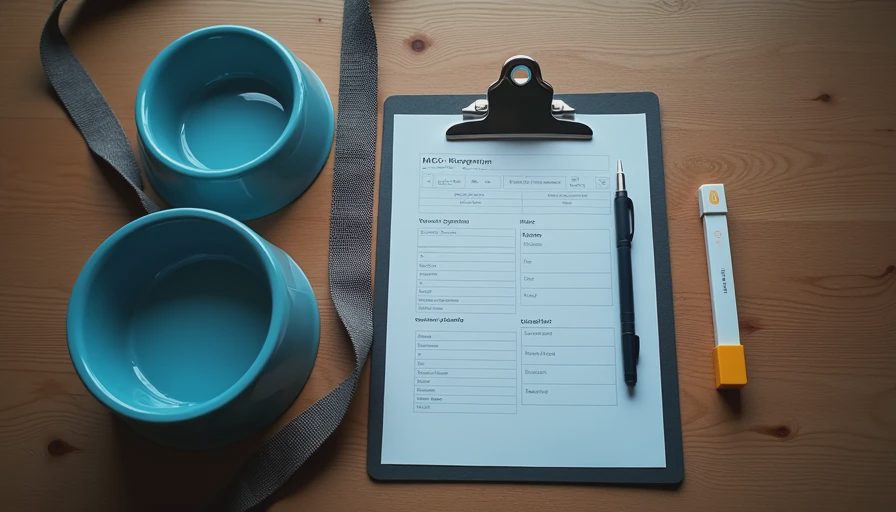
When dog uti symptoms are present, a veterinarian will usually ask when the changes began, how often your dog urinates, whether the amount seems normal, and whether drinking, appetite, energy, or weight has changed. Bring details about current medications, supplements, previous infections, and any recent accidents. If possible, note the urine color and whether your dog appears painful.
A urinalysis evaluates concentration, blood, protein, glucose, crystals, and other clues. The clinic may also recommend a urine culture, which checks whether bacteria grow and helps identify an effective antibiotic. Culture is especially useful for recurrent infections, treatment failures, unusual results, or dogs with conditions that increase infection risk. Depending on the findings, blood work or imaging such as an X-ray or ultrasound may be appropriate.
A clean sample matters. A clinic-collected sample is often preferred when accurate culture results are important. If the veterinary team asks you to collect urine at home, follow its instructions and deliver the sample promptly in the requested container. Do not put a home sample in an unmarked jar or assume a negative-looking sample means there is no problem.
Treatment, recovery, and prevention
Treatment depends on the cause. A confirmed bacterial infection may require a veterinarian-prescribed antibiotic, while stones, diabetes, kidney disease, or incontinence need different plans. Give medication exactly as directed and finish the prescribed course unless the clinic changes the instructions. Contact the practice if your dog vomits after a dose, develops diarrhea, refuses food, or seems worse.
Improvement can happen within a few days, but visible improvement is not the same as confirmed resolution. Some dogs need a recheck urinalysis or culture, especially when infections recur. If dog uti symptoms return soon after treatment, tell the veterinarian rather than restarting an old prescription.
At home, provide regular bathroom opportunities, clean water, and a dry, clean resting area. Keep track of drinking, urination frequency, accidents, appetite, and energy for several days. Do not dramatically change food or add supplements without asking about your dog’s diagnosis and medications. Prevention is usually about managing the underlying risk, not finding one universal product.
A simple observation plan for owners
Start by writing down the time of each bathroom break and whether your dog passed a normal stream, a small amount, or nothing. Note straining, licking, odor, color, accidents, water intake, appetite, and energy. This record can turn a vague concern into useful clinical information. For example, “three accidents” is helpful, but “three small urine spots between 8 and 10 a.m. with repeated squatting” is much more specific.
Before calling, gather your dog’s age, sex, weight, medications, medical history, and the date of any previous urinary problem. Ask whether your dog needs an appointment today, whether a urine sample is useful, and what signs should send you to emergency care. Those questions help the clinic triage efficiently and help you feel less lost.
The goal is not to diagnose from a search result. It is to recognize patterns early and communicate them clearly. Understanding dog uti symptoms can help you act before discomfort becomes a crisis, while a proper examination and urine testing identify what your dog actually needs.




No notes yet — write the first one.