
“Let’s monitor this at home and recheck if it doesn’t improve.”
Owners hear some version of that sentence in countless appointments. It can feel vague. Does it mean watch for disaster? Check once a day? Wait until the problem is obvious again? In the moment, most people nod, take the discharge sheet, and leave with good intentions that fade once the routine of home life resumes.
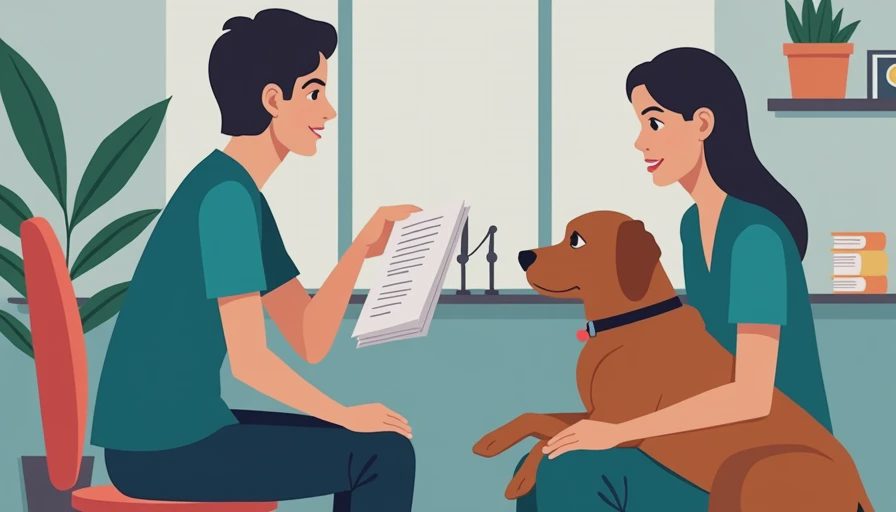
In the clinic I spend a lot of time translating what “monitor at home” is actually asking for. It is not a passive instruction to wait and worry. It is a request for structured observation so that the next decision—whether to continue watching, adjust a plan, or come back sooner—rests on clearer information.
Why the phrase feels fuzzy
Veterinarians use “monitor at home” when the pet is stable enough that immediate diagnostics or hospitalization are not required, yet the situation is not fully resolved. Mild gastrointestinal upset, a recent diet transition, early mobility changes, a small wound, a medication trial, or post-procedure recovery often fall into this category. The clinician is relying on the owner to become the eyes and ears between visits.
Without specific guidance, owners default to general impressions: “He seems better” or “She’s still not quite right.” Those impressions are sincere and still hard to act on. Notes turn impressions into something usable.
What useful monitoring looks like
The exact list depends on the reason for the visit, but the underlying method is the same: define the baseline, track the relevant variables, and know the thresholds that should trigger a call.
Core elements most monitoring plans share
Appetite. Offered food, amount eaten, interest level, any preference changes or dropping of food.
Water intake. Relative change in how fast the bowl empties; any increase in frequency of drinking.
Energy and demeanor. Willingness to engage in normal activities, resting patterns, responsiveness to family.
Specific symptom tracking. Frequency and character of vomiting, stool consistency and frequency, coughing episodes, limping severity, scratching intensity, or whatever sign prompted the visit.
Medication or treatment compliance. What was given, when, and whether it was kept down or appeared to help.
Body weight or condition when relevant, especially in seniors or pets on calorie-controlled plans.
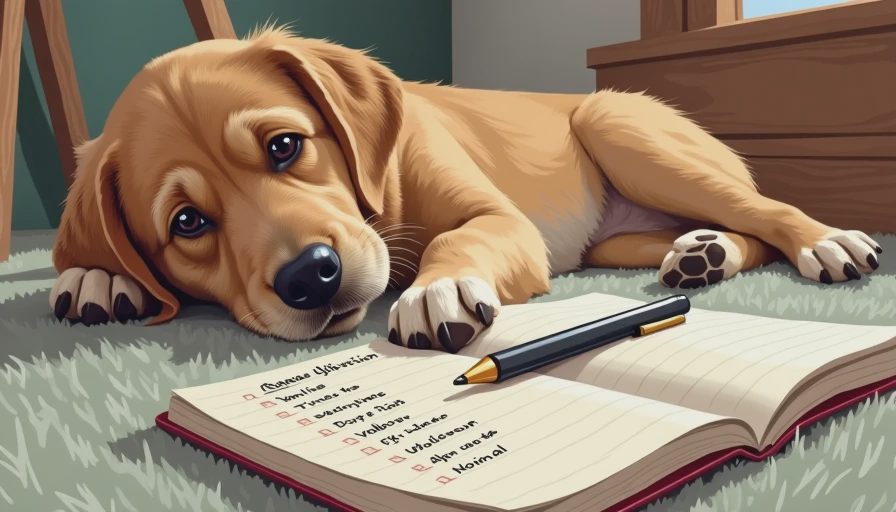
A simple daily or twice-daily note is usually enough. Many owners keep this in a phone note, a paper log, or a short voice memo. Consistency matters more than perfect formatting.
Example of notes that actually help
Instead of: “He was off for a couple days but seems better now.”
Useful version:
“Mon 7am – vomited once (yellow foam), skipped breakfast, drank normally, quiet on walk.
Mon 6pm – ate ¾ dinner, no further vomiting, energy improved.
Tue 7am – full breakfast, normal stool, normal walk.
Tue 6pm – full dinner, playful evening.
Wed – continued normal.”
Or for a mobility concern:
“Stiffness on rising most mornings this week, improves after 2–3 minutes. Still using stairs but slower on the way down. No limping once moving. Short evening walks only.”
These entries give a timeline, show direction (improving, stable, worsening), and let the veterinarian see the pattern without having to reconstruct it from memory during a busy recheck.
Clear thresholds matter
Good discharge instructions include the “call us if” list. Typical examples:
Vomiting more than a set number of times in 24 hours
Refusal to drink or repeated inability to keep water down
Lethargy that worsens or fails to improve
Diarrhea with blood or signs of pain
Limping that becomes non-weight-bearing
Any sudden decline
If those thresholds were not spelled out, ask for them before you leave. “What specifically should make me call before the recheck date?” is one of the most practical questions an owner can ask.
How long and how often
Monitoring length varies. A mild dietary indiscretion might need 48–72 hours of close attention. A medication trial or senior mobility plan might run for one to two weeks. A chronic condition may involve ongoing low-level tracking. Match the intensity to the problem: frequent notes when signs are active, lighter checks once stability returns.
What to bring to the recheck or the phone call
Bring the notes or be ready to summarize them. “I’ve been tracking since the appointment—here’s the pattern” sets a collaborative tone and usually shortens the history-taking portion of the visit. Photos or short videos of intermittent signs (gait, posture, litter-box use, skin) can add clarity when the pet looks different at home than in the exam room.
The real purpose of the notes
Monitoring at home is not about turning owners into technicians. It is about preserving information that would otherwise be lost to memory so that the next clinical decision is better informed. Pets cannot fill in the blanks. The short daily record is the practical bridge between visits.
You do not have to produce a perfect medical chart. You only need enough specific, dated observations that the difference between “better,” “the same,” and “worse” is visible. That is what most veterinarians hope for when they say “monitor at home.”
In later posts I’ll cover how to read discharge sheets more confidently and how to ask clearer questions when a longer-term plan is being designed. For now, treat “monitor at home” as an active assignment: decide what to watch, write it down, and know when to call. The notes themselves are the tool.


No notes yet — write the first one.