A dog reverse sneeze can make an otherwise comfortable pet suddenly sound as if it cannot breathe. Your dog may stand still, stretch the neck, pull the lips back, and make rapid snorting or honking sounds through the nose. It is understandably alarming, especially the first time you see it. In many cases, a brief episode is a reflex that clears irritation from the back of the nose or throat rather than a true breathing crisis.
Still, the sound alone does not tell you everything. The most useful clues are how long the episode lasts, how your dog acts before and after it, and whether other symptoms are present. You do not have to panic — but you do need to notice.
What a dog reverse sneeze looks and sounds like
During a typical episode, a dog rapidly inhales through the nose several times in a row. The chest and abdomen may move dramatically, and the dog may brace the front legs or extend the head. The episode often ends within a few seconds to a minute, after which the dog returns to normal.
A regular sneeze pushes air out through the nose. A reverse sneeze pulls air inward, creating the distinctive snorting sound. The reflex may happen after sniffing grass, dust, perfume, cleaning products, smoke, or another irritant. Excitement, leash pressure around the neck, eating quickly, or sudden temperature changes can also trigger it.
Small dogs and dogs with shorter noses can seem especially dramatic when this happens, but any dog can reverse sneeze. Puppies may have occasional episodes, while older dogs can develop new nasal or throat symptoms that deserve a closer look.

Why does a dog reverse sneeze happen?
The soft palate and tissues at the back of the nose can become irritated or briefly spasm. Your dog’s body responds by drawing air inward in an effort to clear that area. Think of it as a forceful throat-and-nose reset, somewhat like the way a person may suddenly snort after inhaling water or dust.
Common triggers include pollen, household dust, air fresheners, scented candles, and strong grooming products. Some dogs reverse sneeze after drinking, especially if water goes briefly toward the nasal passages. Pulling against a collar can also irritate the throat, so a well-fitted harness may be more comfortable for a dog that has frequent episodes on walks.
Occasional episodes do not automatically mean infection or serious disease. However, repeated events can be associated with nasal inflammation, allergies, dental disease, a foreign object, nasal mites, or growths in the nasal passage. Those possibilities cannot be sorted out reliably from a video or article alone.
What to do during an episode
Stay calm and keep your dog from rushing around. Move away from smoke, fragrance, dust, or other obvious triggers. Speak softly and observe the color of the gums, the effort of breathing, and whether the dog remains responsive.
You can gently stroke the neck or throat if your dog enjoys being touched. Some veterinary professionals also suggest briefly covering the nostrils for a moment to encourage swallowing, but this should never be forced, and it is not appropriate if your dog is struggling to breathe. Do not put your fingers into the mouth or throat, and do not give water, food, or human medication during the event.
If the episode ends quickly and your dog immediately acts normal, simply record the time and possible trigger. A phone video is extremely helpful if the event happens again. It lets your veterinarian distinguish a reverse sneeze from coughing, choking, collapsing trachea, or respiratory distress.
When a dog reverse sneeze needs veterinary attention
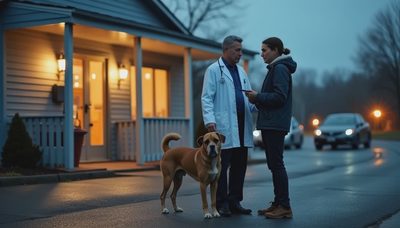
Call your veterinarian for guidance if episodes become frequent, last longer than usual, or are gradually getting worse. Arrange an appointment when the symptom comes with nasal discharge, repeated sneezing, a persistent cough, bad breath, facial rubbing, reduced appetite, weight loss, fever, or unusual tiredness. Discharge from only one nostril, blood from the nose, or sudden pawing at the face can point to a localized problem that needs examination.
Seek urgent veterinary care if your dog has blue, gray, or very pale gums; open-mouth breathing that is not related to heat or exercise; collapse; severe weakness; choking behavior; or obvious effort with every breath. A dog that cannot settle between episodes should not be watched at home while waiting to see what happens.
A short event followed by normal behavior is different from ongoing respiratory distress. The pattern matters more than the scary sound.

How your veterinarian may investigate the pattern
Your veterinarian will usually start with questions about timing, frequency, exercise, sleep, eating, walking equipment, and possible irritants at home. Bring the video and a simple record showing the date, duration, activity, and recovery. Note whether the episode followed a walk, a meal, drinking, barking, or exposure to fragrance.
The physical examination may include checking the nose, mouth, teeth, throat, heart, lungs, and temperature. Depending on the findings, the veterinarian could recommend dental evaluation, parasite testing, blood work, imaging, or a more specialized examination of the nasal passages. Many dogs do not need an extensive workup for an occasional classic episode, but a change in pattern should not be dismissed.
Avoid starting antihistamines, decongestants, antibiotics, essential oils, or leftover prescriptions without veterinary direction. Several human products are unsafe for dogs, and treating the wrong cause can delay useful care.
Reducing triggers at home
Keep the living area well ventilated and skip aerosol sprays, heavily scented cleaners, incense, and smoke around your dog. Wash bedding regularly, vacuum areas where your dog rests, and notice whether episodes cluster during high-pollen walks or after yard work. A harness can reduce pressure on the neck for dogs that pull.
Slow-feeder bowls may help dogs that gulp meals, although they will not solve every cause. Offer fresh water in a stable bowl and watch whether drinking rapidly precedes the sound. Grooming products should be fragrance-free when possible, and dusty treats or chews can be replaced with cleaner options if they seem to trigger nasal irritation.
Do not try to completely control every sniff. Normal exploration is healthy, and excessive restriction can create stress. The goal is to identify repeatable triggers while preserving ordinary walks and enrichment.
Questions to bring to the appointment
Ask, “Does this look like a reverse sneeze or another breathing problem?” Show the clearest video you have and describe how your dog behaves afterward. You can also ask whether the teeth, throat, nasal passages, allergies, or walking equipment could be contributing factors.
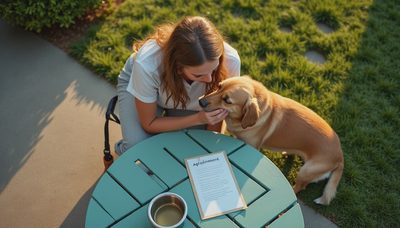
If treatment is recommended, ask what improvement should look like, how quickly you should expect it, and which signs require an urgent call. Write down the plan rather than relying on memory during a stressful visit. A simple symptom diary often reveals that episodes happen after one specific activity or environment.
A dog reverse sneeze is often brief and harmless, but it deserves thoughtful observation when it is new, frequent, or paired with other changes. Start with the pattern, record what you see, and contact your veterinary team when the story no longer looks typical.

No notes yet — write the first one.