Seeing worms mentioned on a fecal test can make your stomach drop, especially when your dog seems mostly normal. Hookworms in dogs are common intestinal parasites, but they are not something to ignore. These tiny worms attach to the intestinal lining and feed on blood, which means some dogs develop anemia, diarrhea, poor growth, or weakness. The good news is that veterinary testing and appropriate deworming usually provide a clear path forward.
You do not have to panic, but you do need to notice patterns. A puppy with pale gums and low energy needs faster attention than an adult dog with one soft stool and normal appetite. Your veterinarian can determine whether hookworms are present and choose medication based on your dog's age, health, and test results.
What hookworms do inside a dog
Hookworms are parasites that live in the small intestine. Adult worms attach to the intestinal wall and consume blood. Their feeding can irritate the gut and cause microscopic bleeding. In a healthy adult dog, a light infection may produce few obvious signs. In a puppy, senior dog, or pet with another illness, the same parasite burden can become serious more quickly.
Dogs can pick up hookworm larvae from contaminated soil, grass, or feces. Some larvae enter through the mouth when a dog licks dirty paws. Others can penetrate skin, particularly on the paws or belly. Puppies may also acquire certain hookworms while nursing. This is why a dog can become infected even when an owner is careful about hygiene.
Common signs include loose stool, dark or tarry stool, vomiting, reduced appetite, weight loss, coughing during the larval migration stage, and a dull coat. Pale gums, marked tiredness, or collapse are more urgent warning signs because they can point to anemia.
How hookworms in dogs are diagnosed
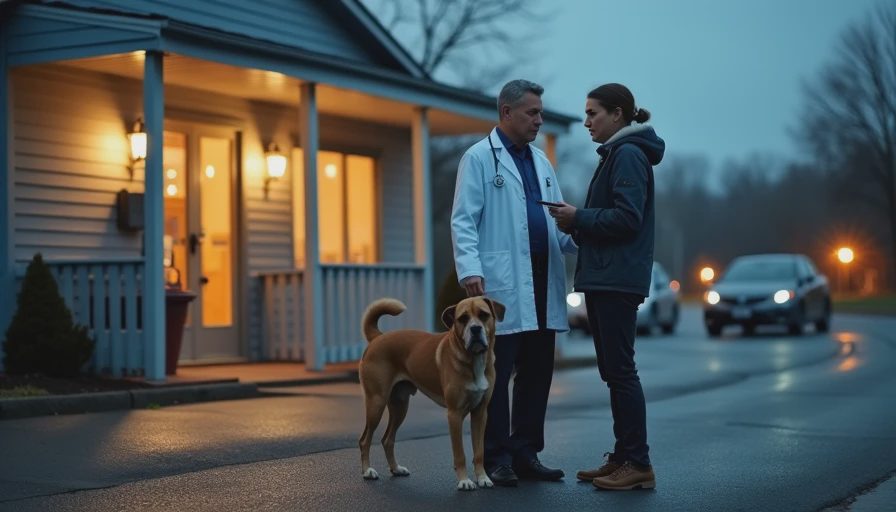
A fecal examination is a common starting point. The clinic looks for parasite eggs in a stool sample, although very young infections can be harder to detect before adult worms begin producing eggs. A negative result does not always explain every gastrointestinal symptom, so your veterinarian may recommend repeat testing, an antigen test, or treatment based on the overall picture.
Bring a fresh stool sample in a clean, sealed container unless the clinic gives you different instructions. Avoid collecting material from soil or a littered dog park because it can be contaminated with organisms that make testing less useful. Tell the veterinary team about diarrhea, vomiting, appetite changes, recent shelter or boarding exposure, travel, and any dewormer your dog has received.
The vet may also check gum color, hydration, body condition, and a complete blood count. A blood test can help identify anemia or other changes that explain weakness. If a puppy has a heavy infection, treatment may involve closer monitoring than it would for an otherwise healthy adult.
Treatment and recovery expectations
Treatment for hookworms in dogs requires a veterinary-approved dewormer that targets the parasite. Products can contain different active ingredients, and one dose may not eliminate every life stage. Your veterinarian may schedule a repeat dose or follow-up fecal test to confirm that the infection is controlled. Do not combine over-the-counter products without guidance, particularly if your dog is a puppy, pregnant, elderly, underweight, or taking other medication.
A dog with significant blood loss may need additional supportive care, such as nutritional support, fluids, or treatment for anemia. Most dogs begin acting better as the parasite burden decreases, but stool changes can take time to settle. Give every dose exactly as directed and finish the plan even if your dog appears normal.
Clean-up matters during recovery. Pick up feces promptly from the yard, wash bedding, and clean surfaces your dog frequently visits. Outdoor larvae can survive in favorable conditions, so simply treating the dog without reducing environmental contamination can allow reinfection.
Preventing hookworms in dogs at home
Year-round parasite prevention is one of the most practical tools available. Many veterinarian-prescribed monthly products protect against hookworms as part of broader coverage that may also include heartworm disease and other intestinal parasites. Brands and ingredients differ, so the best choice depends on your dog's weight, lifestyle, medical history, and local parasite risks.
Ask about prevention if your dog visits dog parks, hikes, digs in damp soil, spends time in communal yards, or lives with puppies. Keep outdoor areas picked up, discourage eating feces, and rinse muddy paws after walks. Good handwashing is especially important before meals and after handling pet waste. Children should not play in areas where dog feces accumulate.
Hookworms can also affect people through contact with contaminated soil. In humans, larvae may cause an itchy skin condition called cutaneous larva migrans. Routine cleanup and footwear reduce that risk. You do not need to treat your home like a laboratory; consistent sanitation is more useful than extreme cleaning.

When symptoms deserve urgent attention
Call your veterinarian promptly if your dog has persistent diarrhea, black stool, repeated vomiting, a sudden appetite drop, or unexplained weight loss. Pale or white gums, rapid breathing, severe weakness, cold limbs, or collapse should be treated as urgent signs. Puppies deserve a lower threshold for calling because they have less reserve and can become dehydrated or anemic quickly.
While waiting for advice, keep your dog quiet and offer access to fresh water unless a veterinarian has told you otherwise. Do not give human anti-diarrheal medicine, iron supplements, or leftover antibiotics. These products can be unsafe or can hide symptoms your veterinary team needs to evaluate.
If one dog in a household tests positive, ask whether other pets need testing or preventive treatment. Dogs can share contaminated environments even when they do not share food bowls or sleeping spaces.
Questions to take to the veterinary visit
A short list can make an anxious appointment more productive. Ask which parasite was found, whether the test showed eggs or another indicator, and whether anemia was evaluated. Confirm the medication name, dose, timing, possible side effects, and whether a repeat dose is needed. Ask when your dog can safely return to daycare, boarding, dog parks, or group training.
It is also reasonable to ask how to clean the yard, whether household pets need screening, and which preventive product fits your dog's routine. Take a photo of unusual stool if you cannot bring a sample, and write down when symptoms began. Details that feel small at home can help the clinic see the pattern.
Hookworms in dogs are treatable, but early observation makes the process safer and simpler. Notice changes in stool, appetite, energy, gum color, and body weight, then share those details rather than waiting for dramatic illness. You do not have to panic — but you do need to notice.




No notes yet — write the first one.