When searching for tick illness dog symptoms, many owners are remembering a walk, a camping trip, or a tick they found too late. The uncertainty can feel awful, especially when a dog seems only a little tired. You do not have to panic, but you do need to notice patterns. Tick-borne diseases can cause mild, vague signs at first, and early veterinary attention gives your dog the best chance of getting appropriate care.
What “tick illness” can mean
Tick illness dog concerns usually involve infections transmitted when an infected tick feeds on a dog. Common examples in the United States include Lyme disease, anaplasmosis, ehrlichiosis, Rocky Mountain spotted fever, and, in some regions, babesiosis. Different ticks carry different organisms, and a dog can have more than one infection at the same time.
The word “tick” does not automatically mean your dog is sick. Many tick bites do not lead to disease, and a tick test alone does not prove that symptoms come from a current infection. Your veterinarian considers exposure, geography, timing, examination findings, and laboratory results together. That is why internet symptom matching cannot replace an exam.
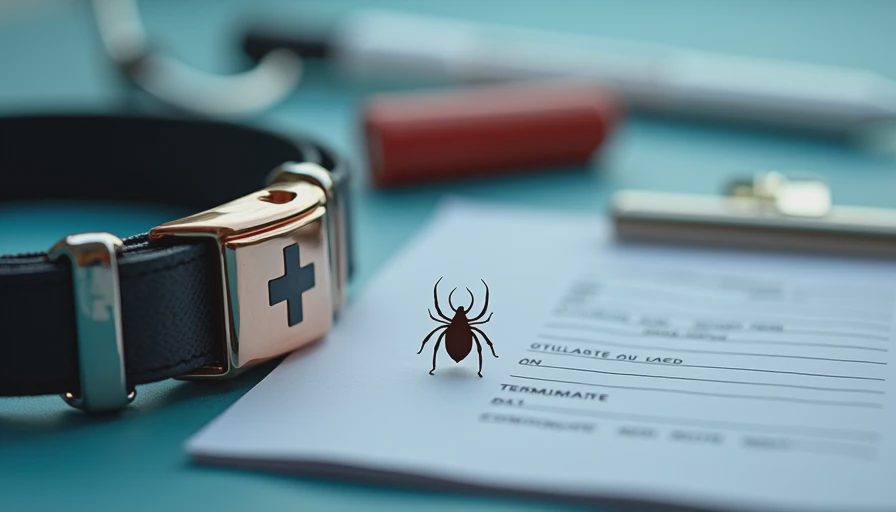
A dog can also carry a tick indoors after a hike, even if the tick is never noticed. Check the ears, eyelids, collar area, between the toes, armpits, and groin after outdoor time. Use a steady hand and fine-tipped tweezers to remove an attached tick close to the skin, pulling upward slowly. Wash your hands afterward, and avoid squeezing the tick’s body.

Early signs worth tracking
Tick illness dog symptoms often look like ordinary tiredness or a minor stomach problem. Possible signs include reduced energy, fever, decreased appetite, swollen or painful joints, shifting lameness, stiffness, reluctance to climb stairs, enlarged lymph nodes, vomiting, diarrhea, coughing, or unusual sensitivity when touched. Some dogs drink more, lose weight, or simply stop acting like themselves.
A useful home record is more valuable than a long list of guesses. Write down the date, appetite, water intake, energy, gum color, walking comfort, temperature if your veterinarian has shown you how to take it, and any medication already given. Note whether limping changes from one leg to another and whether symptoms improve or worsen over 24 hours. A short video of a stiff walk can help the veterinary team see what you observed at home.
Do not give aspirin, ibuprofen, naproxen, leftover antibiotics, or human cold medicine unless your veterinarian specifically directs you. Some human medications are dangerous for dogs, and an inappropriate antibiotic can complicate later testing or treatment.
When a vet visit becomes urgent
Call your veterinarian promptly if your dog has a fever, marked lethargy, repeated vomiting, a sudden limp, painful movement, poor appetite lasting more than a day, or a new change in urination. A same-day visit is especially sensible after known tick exposure when your dog is acting ill.
Seek emergency care for trouble breathing, collapse, seizures, severe weakness, uncontrolled bleeding, very pale or yellow gums, a swollen abdomen, or inability to stand. These signs can occur with serious problems other than tick disease, including anemia, poisoning, internal bleeding, or heat illness. The goal is not to label the problem at home; it is to get a dog in danger seen quickly.
Puppies, senior dogs, and pets with immune or blood disorders may need a lower threshold for calling. Dogs can compensate until they suddenly cannot, so a dramatic decline deserves action even if the original symptom seemed small.
How veterinarians investigate the problem
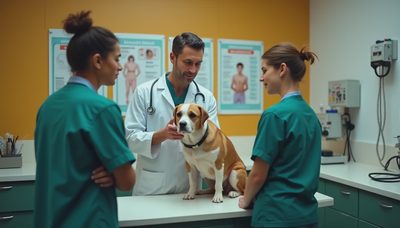
For tick illness dog evaluations, a veterinarian may begin with a physical examination and a history of travel, hikes, boarding, tick prevention, appetite changes, and symptom timing. Blood work can check red and white blood cells, platelets, kidney values, liver values, and signs of inflammation. Platelets are important because some tick-borne infections can reduce clotting ability.
Many clinics use a screening test that checks for exposure to several common infections. A positive antibody result can mean previous exposure rather than active disease, while an early test can sometimes be negative before the immune response is detectable. Depending on the case, the veterinarian may recommend repeat testing, a blood smear, or a molecular test such as PCR. Results need clinical context rather than a yes-or-no internet interpretation.
Treatment depends on the suspected organism and your dog’s condition. A veterinarian may prescribe an antibiotic such as doxycycline when appropriate, but the dose and duration should come from the clinic. Some dogs need fluids, nausea control, pain relief, or monitoring for anemia and kidney complications. Finish prescribed medication exactly as directed, and report vomiting, severe diarrhea, or worsening weakness.
Prevention after recovery and year-round
One of the most practical tick illness dog prevention steps is consistent veterinary-approved tick control. Products differ: some are oral, some topical, and some collars repel or kill ticks. Ask about the option that fits your dog’s age, weight, health history, and lifestyle. Do not combine products casually, especially if cats live in the home.
Run your hands over your dog after wooded or grassy walks, wash bedding when appropriate, and keep grass and brush trimmed around frequently used areas. A tick can attach before you return home, so prevention should not stop in winter if temperatures and local tick activity remain suitable. Dogs can also encounter ticks in backyards, parks, and along ordinary neighborhood paths.
Prevention does not make illness impossible, but it lowers risk and helps you catch problems earlier. Keep a photo of any removed tick if you can do so safely, and record where your dog traveled. That information can help your veterinarian evaluate exposure without relying on memory.
Questions to bring to the appointment
If you are worried about tick illness dog symptoms, bring a simple timeline: when your dog last seemed normal, when you noticed the tick or possible exposure, which symptoms appeared first, and whether anything has changed today. Include product names and dates for flea and tick prevention, recent travel locations, appetite details, and a list of supplements or medications.
Ask whether testing is appropriate now, what the results can and cannot show, whether blood counts or kidney values need monitoring, and which changes should trigger a recheck. Also ask when your dog can safely resume exercise. Clear questions make a stressful appointment more productive.
Here is the body’s warning-light lesson: vague symptoms still count when they form a pattern. You do not have to panic — but you do need to notice. If your dog is suddenly tired, sore, feverish, or off food after possible tick exposure, contact your veterinarian and let the clinical team turn those observations into a sensible plan.


No notes yet — write the first one.