Seeing your dog pace, drool, or suddenly struggle to get comfortable can be frightening. The symptoms of bloat in dogs deserve especially careful attention because stomach distension can sometimes progress to gastric dilatation-volvulus, commonly called GDV. This is a life-threatening emergency in which the stomach fills with gas or food and may twist. You do not have to panic — but you do need to notice changes and act quickly when the pattern looks serious.
What bloat means in a dog
Simple gastric bloat involves an enlarged stomach. The stomach may expand after eating, drinking, or swallowing air, but it does not necessarily twist. GDV is more dangerous because the enlarged stomach rotates, restricting blood flow and making it difficult for the dog to vomit or relieve pressure. Without prompt treatment, shock and organ damage can develop.
The symptoms of bloat in dogs are not always dramatic at first. A dog may seem restless or unusually clingy before showing obvious abdominal swelling. Early signs can also resemble indigestion, anxiety, or an ordinary upset stomach. That is why timing matters. A sudden change after a meal, especially in a large or deep-chested dog, should not be watched casually for hours.
Risk is higher in breeds such as Great Danes, German Shepherd Dogs, Standard Poodles, Weimaraners, Doberman Pinschers, and Irish Setters, although any dog can develop serious stomach distension. Eating one large meal, eating rapidly, exercising soon after eating, and having a close family history can also be relevant risk factors. These factors do not predict an individual case, but they can help you take sudden symptoms seriously.
Common symptoms of bloat in dogs
One of the most recognizable symptoms of bloat in dogs is repeated, unsuccessful attempts to vomit. Your dog may retch, gag, or bring up only a little foam or saliva. This is different from normal vomiting because the dog keeps trying without producing food or fluid. Repeated dry heaving is an emergency warning sign.
Other changes can include pacing, inability to settle, whining, looking at the abdomen, or repeatedly changing position. Some dogs stand with their front legs stretched forward and their chest lowered, a posture sometimes called the prayer position. They may seem painful, restless, or unusually focused on their belly.
The abdomen may look enlarged, tight, or rounded behind the ribs. However, do not press on the belly to test it, and do not rely on visible swelling alone. A deep-chested dog can have dangerous stomach expansion that is difficult to see from the outside. Drooling, panting, pale or gray gums, weakness, and a fast heartbeat are also concerning. As the condition worsens, a dog may become unable to stand, collapse, or appear confused.
Symptoms can progress quickly, but the order is not predictable. A dog does not need to show every sign before needing emergency care. If sudden retching, distress, a painful-looking abdomen, or collapse occurs together, treat the situation as urgent.
What to do if you are concerned
If your dog has several symptoms of bloat in dogs, call your veterinarian or the nearest emergency animal hospital while preparing to leave. Tell the staff what you observed, when it began, whether your dog ate recently, and whether there was any vomiting, diarrhea, trauma, or access to unusual food. Calling ahead lets the team prepare for a possible emergency assessment.
Do not give food, water, human medication, antacids, oil, or home remedies unless a veterinary professional specifically instructs you to do so. Do not attempt to make your dog vomit. Do not wait to see whether a walk, belly massage, or quiet rest solves the problem. A vehicle ride should be calm and direct, with another person monitoring the dog if possible.
If your regular clinic is closed, search for a 24-hour emergency veterinary hospital before symptoms become severe. Keep the phone number and address saved in your phone. During an emergency, a few minutes spent searching can feel much longer than it does during a calm afternoon.

How veterinarians check for bloat
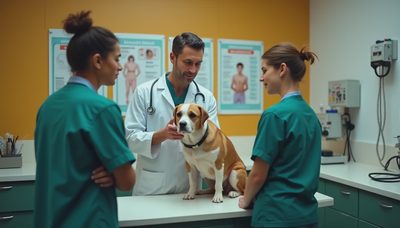
A veterinary team will first assess breathing, gum color, heart rate, blood pressure, pain, and signs of shock. The veterinarian may place an intravenous catheter, provide oxygen or fluids, and give pain relief while evaluating the abdomen. Stabilization and diagnosis often happen at the same time because a very sick dog cannot always wait for a long examination.
Abdominal X-rays are commonly used to look for gas-filled stomach expansion and evidence of twisting. Blood tests can help evaluate dehydration, circulation, organ stress, and clotting concerns, but a blood test alone cannot rule out GDV. If the stomach is distended but not twisted, the team may decompress it with a tube or needle when appropriate. If twisting is present, emergency surgery is generally needed to untwist and secure the stomach.
This is why searching for symptoms of bloat in dogs should lead to action rather than a home diagnosis. Online information can help you recognize a warning light, but it cannot show whether a stomach has twisted.
Reducing risk without blaming yourself
There is no guaranteed way to prevent bloat, and owners should not feel guilty when a dog becomes ill. Practical feeding habits can reduce some known risks. Ask your veterinarian whether two or three smaller meals make sense instead of one large daily meal. Use a slow-feeder approach only if it helps your dog eat calmly; some dogs become more frustrated and swallow more air with poorly chosen feeders.
Avoid intense running, rough play, or jumping immediately after a large meal. Keep fresh water available, but discourage frantic gulps after exercise by allowing the dog to cool down first. Feed dogs separately if competition causes them to inhale food. A raised bowl is not automatically protective and may increase risk for some dogs, so discuss bowl height with your veterinarian rather than following a universal rule.
For dogs at particularly high risk, ask about preventive gastropexy, a surgical procedure that attaches the stomach to the abdominal wall to reduce the chance of twisting. It does not prevent every case of stomach gas or distension, but it can be considered during another planned surgery or as a separate procedure.
A simple observation plan for owners
Write down when your dog last ate, how much was offered, whether the meal was finished unusually fast, and when the behavior changed. Note retching, drooling, posture, breathing, gum color, abdominal appearance, and energy level. A short video can help a veterinary team understand repeated gagging or pacing, but recording should never delay travel to an emergency clinic.
The key questions are simple: Is this sudden? Is my dog trying to vomit without producing anything? Does the abdomen look painful or enlarged? Is my dog weaker, paler, or more restless than usual? When these answers point toward danger, go now rather than waiting for certainty.
The symptoms of bloat in dogs can overlap with less serious digestive problems, so you cannot identify the cause reliably at home. You can, however, recognize a concerning pattern and provide useful details to the veterinary team. You do not have to panic — but you do need to notice, call, and move quickly when your dog’s behavior changes suddenly.

No notes yet — write the first one.