Hearing a harsh cough from your dog can be unsettling, especially when it sounds like a goose honk or seems to come from deep in the throat. If you are searching for trachea collapse dog information, you are probably trying to understand whether the cough is serious and what you can do next. You do not have to panic, but you do need to notice the pattern and arrange a veterinary evaluation.
What tracheal collapse means
The trachea, or windpipe, carries air from the throat toward the lungs. It is supported by firm cartilage rings and a flexible membrane. In some dogs, those supports become weaker over time. The windpipe can then flatten partially, especially during excitement, exercise, inhalation, or coughing. This is called tracheal collapse.
Small and toy breeds, including Yorkshire Terriers, Pomeranians, Chihuahuas, Toy Poodles, and Shih Tzus, are often diagnosed with this condition, although any dog can develop airway problems. Age, chronic irritation, obesity, heart disease, and other respiratory conditions can influence the cough. A dog with trachea collapse dog symptoms may still eat, play, and seem cheerful between episodes, which is one reason owners sometimes delay an appointment.
The cough often has a dry, honking sound. It can start when a dog pulls against a collar, greets someone at the door, barks, drinks quickly, or moves from a cool room into warm air. Some dogs cough more at night or after lying down. These clues do not prove tracheal collapse, because kennel cough, heart disease, allergies, pneumonia, and throat irritation can sound similar.

Signs to watch at home
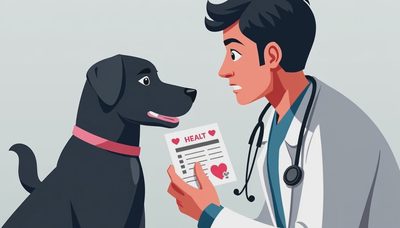
A useful approach is to record what happens before, during, and after each episode. Note whether the cough follows exercise, excitement, eating, drinking, or leash pressure. Write down how long it lasts and whether your dog returns to normal quickly. A short video taken from a safe distance can be extremely helpful during a clinic visit.
Possible signs associated with trachea collapse dog cases include repeated dry coughing, noisy breathing, gagging after coughing, reduced exercise tolerance, or a raspy sound when breathing in. Some dogs breathe faster than usual when resting. Others show a change in posture, extending the neck or standing with the elbows slightly away from the body to make breathing easier.
Watch gum and tongue color during a calm moment. Healthy tissue is generally pink, although normal pigment can make this less straightforward. Pale, gray, blue, or purple gums, severe weakness, fainting, or obvious struggle to breathe are emergency signs. Do not force a coughing or distressed dog to drink, eat, or walk to “see if it improves.” Call an emergency veterinary hospital and transport your dog calmly with good airflow.
When a cough needs prompt veterinary care
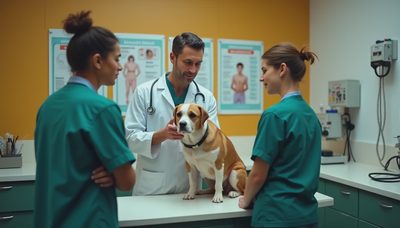
A single cough after drinking does not automatically mean a crisis. A recurring cough, however, deserves a veterinary appointment, particularly in a senior dog or a pet with known heart or lung disease. The clinic may listen to the chest, examine the throat, assess body condition, and recommend chest X-rays or other imaging. Because the airway can look different during breathing in and out, ordinary X-rays do not always show the full picture. Your veterinarian may discuss fluoroscopy, ultrasound, or referral to a specialist when the diagnosis remains uncertain.
The most important question is not simply, “Does my dog have tracheal collapse?” It is, “What is causing this cough, and how much is it affecting breathing and daily comfort?” Trachea collapse dog symptoms can overlap with several conditions, so giving leftover medication or human cough medicine can create additional risk. Some products contain ingredients that are dangerous to dogs, and suppressing a cough may be inappropriate if infection or fluid in the lungs is involved.
Treatment and daily comfort measures
Treatment depends on severity and on what else the veterinarian finds. A plan may include prescription cough control, medication to reduce airway inflammation, treatment for infection when appropriate, or medication for a related heart condition. Severe airway narrowing is less common but may require advanced referral and, in selected cases, a stent or other procedure. Medication should be given exactly as directed; changing the dose because a cough sounds better can cause problems.
At home, replace neck pressure with a properly fitted harness. Keep walks short and calm during flare-ups, and avoid hot, humid weather, cigarette smoke, candles, aerosol sprays, dusty rooms, and strongly scented cleaners. Excitement can trigger coughing, so quieter greetings and low-key enrichment may help. If your dog is overweight, gradual weight reduction can make breathing less demanding, but crash dieting is not appropriate.
For a dog with trachea collapse dog concerns, practical changes often matter every day. Use ramps instead of stairs when possible, keep water available, and maintain a comfortable room temperature. Do not use steam, essential oils, or online “airway remedies” without veterinary guidance. A humidifier can help some dogs with dry air, but it should be cleaned carefully to prevent mold and bacterial growth.

Building a useful monitoring plan
Create a simple log with four details: date and time, trigger, episode length, and recovery. Add resting breathing observations when your dog is asleep and not dreaming. You do not need to count every breath forever, but a baseline can help you recognize a meaningful change. Ask your veterinary team how they want resting respiratory rate measured and what number or symptom should prompt a call.
Bring the medication bottles, a list of supplements, recent videos, and your written questions to follow-up visits. Useful questions include: Could heart disease or infection be contributing? Should exercise be limited? What side effects should I watch for? Is a harness fitted correctly? When should we repeat imaging? If the cough suddenly becomes frequent, breathing looks difficult, or your dog collapses, use emergency care rather than waiting for the next scheduled appointment.
A calmer next step
Searching trachea collapse dog information can make every cough feel frightening, but a pattern gives your veterinarian something actionable. Notice triggers, reduce airway irritation, prevent neck pressure, and seek diagnosis instead of guessing. Many dogs with chronic airway disease continue to enjoy walks, meals, naps, and family life when their condition is managed thoughtfully. You do not have to panic — but you do need to notice, document, and call the veterinary team when the pattern changes.
If you are currently seeing trachea collapse dog symptoms, schedule an appointment and bring a video if you can do so safely. Clear observations often help the clinic move from a vague cough to a more focused plan for comfort and breathing.



No notes yet — write the first one.