If your dog grabbed a piece of garlic bread or licked sauce from a plate, your first question is probably how much garlic is toxic to dogs. The honest answer is that there is no dependable home cutoff that makes every exposure safe or dangerous. Risk depends on your dog’s weight, the amount and form of garlic, whether the exposure happened once or repeatedly, and your dog’s overall health.
Garlic belongs to the Allium family, along with onions, leeks, chives, and shallots. These plants contain compounds that can damage red blood cells in dogs. A small accidental taste does not guarantee a serious problem, but garlic is not a safe treat. You do not have to panic — but you do need to notice what happened and respond thoughtfully.
Why garlic can harm a dog
When a dog digests garlic, its sulfur-containing compounds can cause oxidative damage to red blood cells. In some dogs, those cells become fragile and break down, a process that can lead to hemolytic anemia. The body then has fewer healthy red blood cells available to carry oxygen.
The form of garlic matters. Fresh cloves, cooked garlic, garlic powder, minced garlic, garlic salt, supplements, and concentrated extracts can all be relevant. Cooking does not reliably remove the concern. Garlic powder is especially easy to underestimate because a small amount can represent the concentrated contents of multiple cloves.
Size also matters, but weight alone cannot provide a safe answer. A large dog that eats a tiny smear of garlic-seasoned food is in a different situation from a small dog that eats several cloves or a concentrated supplement. Repeated small exposures can also add up. That is why a veterinarian or animal poison specialist may ask for your dog’s weight, the product label, the estimated amount, and the time of exposure.
How much garlic is toxic to dogs?
People often search how much garlic is toxic to dogs because they want a precise number in teaspoons or cloves. Veterinary professionals generally avoid giving one universal threshold for home use because published risk estimates differ, products vary in concentration, and individual dogs do not respond identically. A number that sounds reassuring can delay care for a smaller dog or a dog eating a concentrated product.
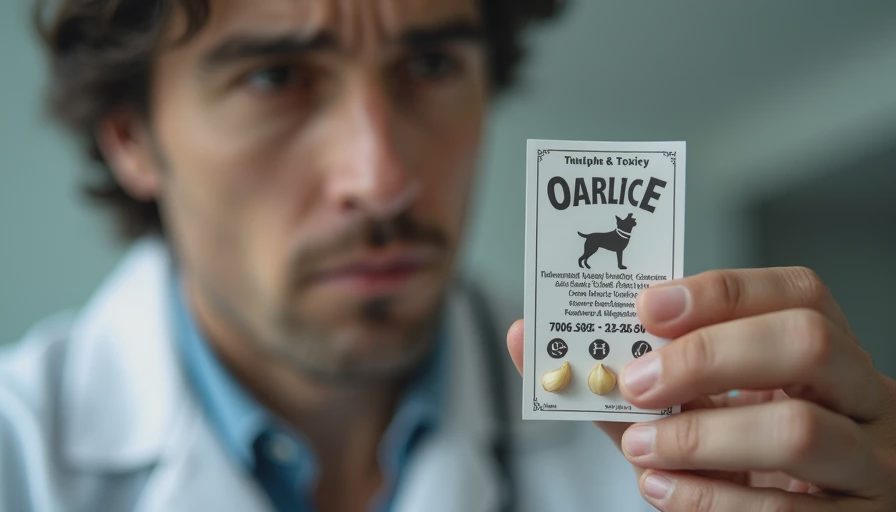
The most useful question is not only how much garlic was eaten, but what exactly was eaten. A bite of pizza crust with garlic seasoning may involve far less garlic than a spoonful of garlic paste. Garlic powder in a packaged snack may be difficult to estimate, while a supplement can provide a much more concentrated dose. If you still have the package, photograph the ingredient panel and keep it nearby when you call.
For a very small dog, a puppy, a senior dog, or a dog with anemia or another ongoing illness, contact your veterinarian promptly even if the amount seems modest. Ask how much garlic is toxic to dogs based on the specific product and your dog’s weight rather than relying on an internet calculator.
Symptoms to watch for after exposure
Garlic can cause stomach irritation relatively soon, including drooling, nausea, vomiting, diarrhea, reduced appetite, or abdominal discomfort. These signs do not prove garlic poisoning, but they are useful details to report. Offer access to fresh water, but do not force food or water if your dog is vomiting repeatedly.
Red blood cell damage can take longer to become obvious. Over the next several days, watch for unusual tiredness, weakness, pale or yellow-tinged gums, fast breathing, a racing heartbeat, dark or reddish urine, wobbliness, or collapse. Some dogs simply seem quieter and less interested in normal activities. Delayed symptoms are one reason a dog may need veterinary guidance even when the first few hours seem normal.
Pale gums, trouble breathing, collapse, severe weakness, repeated vomiting, or dark urine should be treated as urgent. Call an emergency veterinary hospital while arranging transportation. Do not wait for every possible symptom to appear.
What to do right now
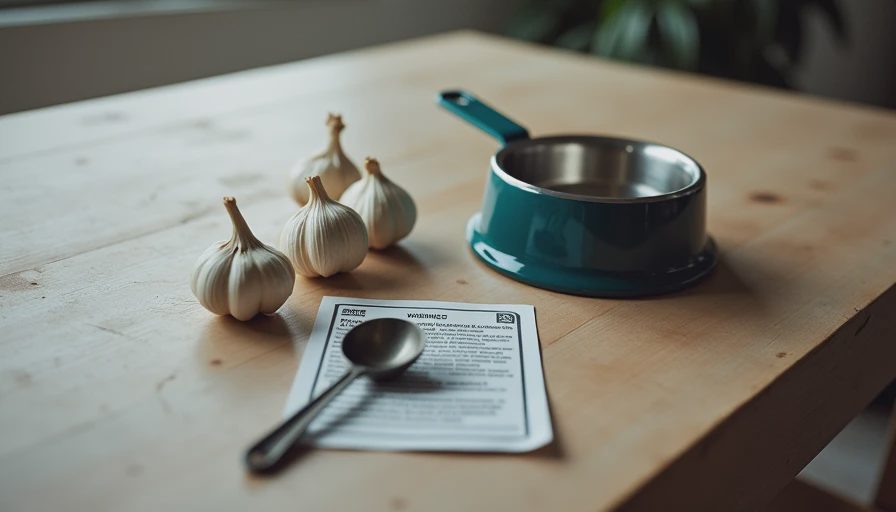
First, remove access to the food, wrapper, supplement, or trash. Write down the approximate time, amount, and form of garlic. Include other ingredients, such as onions, raisins, xylitol, fatty meat, or alcohol, because the rest of the food may create separate concerns.
Next, call your regular veterinarian, an emergency clinic, or a pet poison service. In the United States, the ASPCA Animal Poison Control Center can be reached at 888-426-4435, and Pet Poison Helpline can be reached at 855-764-7661. Consultation fees may apply. Give them your dog’s weight, age, medical history, symptoms, and the product information you collected.
Do not induce vomiting unless a veterinary professional specifically tells you to do so. Hydrogen peroxide can irritate the stomach and may be unsafe in some situations, especially if your dog is already vomiting, weak, sedated, or having trouble swallowing. Do not give charcoal, milk, oil, or human medication without instructions. A clinic may recommend monitoring, an examination, blood work, or treatment based on the exposure.
How veterinarians check for a problem
A veterinary team may start with a physical examination, gum color, heart rate, breathing pattern, hydration, and a careful exposure history. If anemia is a concern, blood work can assess red blood cell numbers and related changes. Urine testing may also help evaluate the color and health of the urinary system.
Testing is not always necessary after a tiny, one-time lick, but the decision depends on the details. A dog that ate garlic powder, a supplement, several cloves, or repeated seasoned food deserves more careful discussion than a dog that briefly licked a plate. If symptoms are delayed, follow-up testing may be recommended even after the food is gone.
When asking how much garlic is toxic to dogs, also ask what follow-up signs should trigger a return visit, whether activity should be restricted, and whether repeat blood work is needed. Those questions turn a frightening event into a clear monitoring plan.
Preventing another exposure
Keep fresh garlic, garlic powder, seasoning blends, supplements, and food scraps out of reach. Remember that dogs can reach counters, open purses, grocery bags, and low pantry shelves. Secure compost and trash, especially after cooking meals with garlic or onions.
Read labels on broths, baby foods, jerky, sauces, and supplements before sharing food. Garlic is sometimes hidden in ingredient lists under seasoning or natural flavoring, so a product that smells mild may still contain it. Choose dog treats made for dogs instead of using table scraps as rewards.
The simple takeaway is that there is no universal answer to how much garlic is toxic to dogs that can safely replace professional advice. Identify the form and amount, note the time, watch for delayed changes, and call early when the exposure is more than a tiny taste or the dog is vulnerable. Calm information helps, but prompt veterinary guidance is the safest next step.




No notes yet — write the first one.