If you are searching how much onion is toxic to dogs, your dog may have stolen food from a cutting board, licked gravy from a plate, or eaten leftovers containing onion powder. You do not have to panic — but you do need to notice what was eaten, how much, and when. Onions can damage red blood cells, and the risk depends on your dog’s size, the form of onion, and the total amount consumed.
Why onions can make dogs sick
Onions belong to the Allium family, along with garlic, leeks, chives, and shallots. They contain compounds that can injure a dog’s red blood cells. Those cells carry oxygen through the body, so damage can eventually lead to anemia. Think of red blood cells as delivery vans: if too many are damaged, the body has fewer vehicles available to transport oxygen.
Raw, cooked, dried, dehydrated, and powdered onion can all be hazardous. Cooking does not reliably remove the compounds that cause concern. Onion powder deserves special attention because it is concentrated and often appears in seasoning blends, bouillon, soups, sauces, baby food, snack foods, and meat products. A dog that eats a small piece of onion is not automatically destined to become critically ill, but repeated exposure or a larger serving can create a serious problem.
Veterinary references often discuss concern around roughly 15 to 30 grams of onion per kilogram of body weight, but there is no single guaranteed safe number for every dog. The amount that causes illness can vary, and mixtures containing powder are difficult to measure. That is why how much onion is toxic to dogs should be treated as a veterinary triage question rather than a home-calculation challenge.

How much onion is toxic to dogs by size and form
A 10-pound dog has much less body mass to absorb an exposure than a 70-pound dog. A few bites may represent a larger dose per pound for the smaller dog. Puppies, seniors, and dogs with existing anemia or other health conditions may also need more cautious evaluation.
Fresh onion is easier to picture, but the portion may be misleading. A tablespoon of onion powder is not equivalent to a tablespoon of fresh onion because dried ingredients contain far less water. Foods such as onion rings, pizza, chili, stuffing, and stew can also include garlic or concentrated seasonings, increasing uncertainty.
For example, a large dog that grabs one small piece of cooked onion may only need careful monitoring after a veterinary conversation. A small dog that eats a serving of onion-heavy casserole, several pieces of dried onion, or food seasoned with onion powder should be assessed promptly. If you are still wondering how much onion is toxic to dogs, do not wait for symptoms before calling. A veterinarian can use the dog’s weight, the ingredient, the estimated amount, and the timing to decide what happens next.
Symptoms to watch for after onion exposure
Early symptoms may include vomiting, diarrhea, drooling, reduced appetite, abdominal discomfort, or unusual tiredness. These signs can occur from stomach irritation, even before red blood cell damage becomes apparent. Other dogs seem normal at first.
Anemia-related signs may appear several days after exposure, sometimes after an owner thinks the incident has passed. Watch for weakness, pale or yellow-tinged gums, fast breathing, fast heartbeat, dark or reddish urine, exercise intolerance, wobbliness, or collapse. A dog may also drink more water or urinate more than usual. These are not signs to manage with internet advice; they warrant urgent veterinary guidance.
Here is what the body may be trying to tell you: pale gums can reflect reduced red blood cells, while dark urine can indicate breakdown products being removed from the bloodstream. Neither sign proves onion poisoning, because other illnesses can look similar. The pattern and timing matter. If your dog is struggling to breathe, collapsing, extremely weak, or has very pale gums, go to an emergency veterinary hospital immediately.
What to do right now
First, remove access to the food and keep the packaging, recipe, or ingredient label. Write down your dog’s approximate weight, the type of onion, the amount that may be missing, and the time of ingestion. If the food included garlic, chives, leeks, raisins, grapes, chocolate, xylitol, or medication, mention that too.
Call your veterinarian, an emergency clinic, ASPCA Animal Poison Control at 888-426-4435, or Pet Poison Helpline at 855-764-7661. Poison services may charge a consultation fee, but they can help determine whether home monitoring, an immediate examination, or specific treatment is appropriate.
Do not give hydrogen peroxide, milk, oil, salt, activated charcoal, or human medication unless a veterinary professional specifically instructs you. Inducing vomiting at the wrong time can cause aspiration or other complications. If the exposure was recent, a clinic may have safe options for decontamination. Later, the veterinarian may recommend an exam and blood testing to check red blood cell health.
How veterinarians evaluate the risk
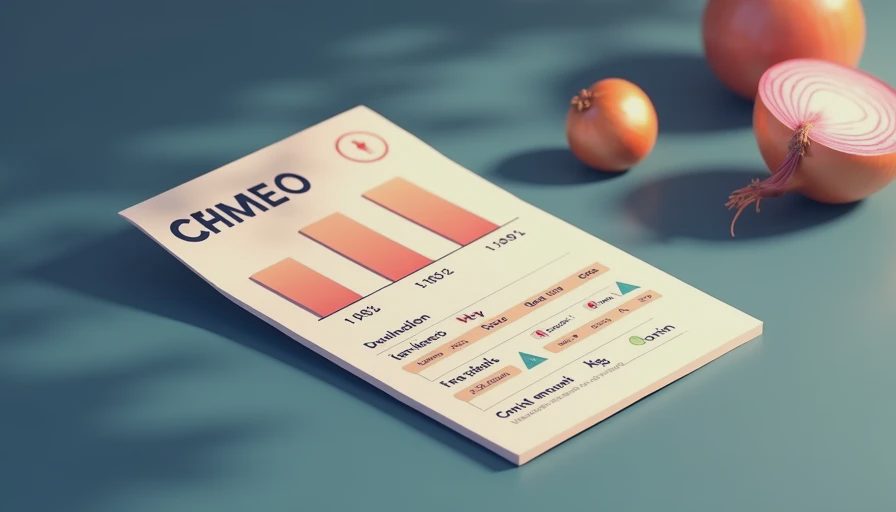
A veterinarian will usually ask about the dog’s weight, medical history, symptoms, and exact food. They may recommend a complete blood count, which measures red blood cells and can help identify anemia. Depending on the exposure and timing, repeat testing may be advised because blood changes can develop after the initial incident.
Treatment depends on the dog’s condition. Mild stomach upset may require supportive care and observation, while significant anemia can require hospitalization, oxygen support, intravenous fluids, and in severe cases a blood transfusion. Prompt advice is valuable because treatment decisions are easier when the dog is stable.
When asking how much onion is toxic to dogs, remember that the most useful answer is not a perfect universal threshold. It is a plan based on dose per body weight, food form, timing, and symptoms. A professional can also tell you how long to monitor and whether follow-up blood work is needed.
Preventing another exposure
Store onions, garlic, seasoning packets, and compost scraps in closed containers. Keep plates and takeout bags away from curious dogs, especially during holidays or parties when rich foods sit within reach. Teach everyone in the household that gravy, soup, stuffing, and seasoned meat are not automatically safe treats.
Read labels on jerky, broth, deli meat, baby food, and dental products. A tiny trace in a complete commercial dog food is different from feeding a dog a bowl of onion-seasoned leftovers, but your veterinarian can help interpret a specific label. Use plain, dog-safe treats for sharing instead.
The short version of how much onion is toxic to dogs is simple: there is no dependable kitchen measurement that makes every exposure safe. Record the details, call promptly, and watch for delayed changes in appetite, energy, gum color, breathing, and urine. You don’t have to panic — but you do need to notice.



No notes yet — write the first one.