If you have ever dropped a celery stick while making lunch and watched your dog arrive before it hit the floor, you have probably wondered, is celery good for dogs? For most healthy dogs, plain celery is a safe occasional treat when it is washed, cut into small pieces, and offered in a reasonable amount. It is not a necessary part of a complete diet, though, and it should not replace balanced dog food.
Celery is mostly water and fiber, with very few calories. That makes it appealing for some dogs who enjoy crunchy snacks, especially dogs working toward a healthier weight. Still, “safe” does not mean every serving method is safe. A large, stringy piece can be difficult to chew, and seasoned celery from a human dish can contain ingredients dogs should not eat.
Is celery good for dogs nutritionally?
The nutritional benefit is modest but real. Celery provides water, a little fiber, and small amounts of vitamins and minerals. Fiber can support normal stool formation, although too much can cause gas, loose stool, or stomach discomfort. Because celery is low in calories, a few small pieces can be a better choice than fatty table scraps for a dog that begs during meal preparation.
That said, celery is not a supplement and does not treat constipation, dehydration, dental disease, or vitamin deficiencies. Dogs get the nutrients they need from a complete and balanced food formulated for their life stage. If your dog has diabetes, kidney disease, a history of pancreatitis, inflammatory bowel disease, or a prescription diet, ask the veterinary team before adding frequent treats.
When people ask is celery good for dogs, I usually describe it as an optional snack rather than a health food. A dog who dislikes it is not missing something essential. A dog who enjoys it can have a small amount, provided the preparation and portion are appropriate.

How to prepare celery safely
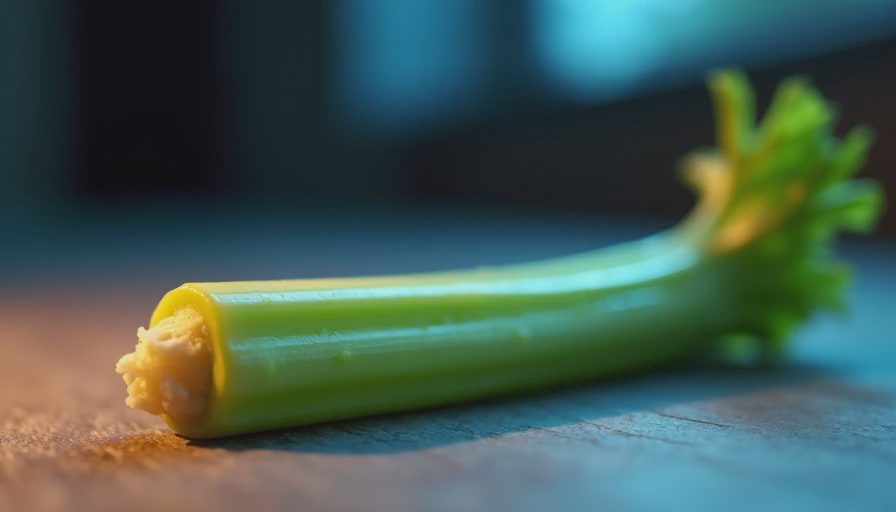
Start by rinsing the stalk under cool running water. Cut away the leafy top if your dog tends to gulp, and remove any visibly tough or damaged sections. The long fibrous strings are not poisonous, but they can be unpleasant to chew and may increase the risk of gagging in a fast eater. Slice the stalk lengthwise, then cut it into small, bite-sized pieces.
For a small dog, pieces about the size of a pea or fingernail may be easier to manage. Medium and large dogs can handle slightly larger pieces, but a treat should still be easy to chew. If your dog swallows food without chewing, briefly steaming the celery can soften it, though cooked pieces should be cooled before serving.
Never coat celery with salt, butter, ranch dressing, onion dip, garlic seasoning, or spicy sauce. Plain peanut butter is sometimes used to make a vegetable treat more interesting, but read the label carefully. Xylitol, also called birch sugar, can cause a dangerous drop in blood sugar and other serious problems in dogs. When considering is celery good for dogs, the topping matters as much as the vegetable.
Introduce a new treat when you can observe your dog for several hours. Offer one or two small pieces first. Watch for vomiting, diarrhea, excessive gas, lip licking, or a sudden refusal of food. These signs do not automatically mean celery caused a serious illness, but they are useful information to record and discuss if they continue.
How much celery can a dog eat?
Treats, including vegetables, should generally stay within about 10 percent of a dog’s daily calorie intake, with the remaining calories coming from complete food. There is no single celery portion that fits every dog. A five-pound dog, a 45-pound dog, and a 100-pound dog have very different calorie needs, and activity level matters too.
As a practical starting point, a toy or small dog might receive one or two tiny pieces. A medium dog might have a few small slices, while a large dog could have several pieces spread across the day. That is a starting guideline, not a target. Celery should not become a bowlful simply because it is low in calories. Large amounts of fiber and water can still upset the digestive system.
If you use celery during training, count it alongside other rewards. You can also chop a small amount and mix it into a meal, but avoid changing the texture or ingredients of a prescription diet without veterinary guidance. For many dogs, carrot pieces, green beans, or their regular kibble work just as well as training rewards.
When celery becomes a choking or illness concern
The most immediate risk is mechanical: a dog may gulp a large piece and cough, gag, or struggle to breathe. Stay close whenever your dog eats a new treat, particularly if the dog is a puppy, senior, brachycephalic breed, or known to inhale food. If your dog cannot breathe, has blue or gray gums, collapses, or is making frantic choking motions, seek emergency veterinary help immediately.
Swallowed food can also cause delayed trouble. Repeated vomiting, a painful or tense abdomen, marked lethargy, refusal to eat, or inability to keep water down deserves prompt veterinary attention. You do not have to panic, but you do need to notice the pattern and timing. A photo of the product, a note about the amount eaten, and a record of symptoms can help the clinic decide what to do next.
Celery covered in onion, garlic, rich dressing, or salty processed food creates a different concern from plain celery. If your dog ate a prepared dish, do not focus only on the vegetable. Save the ingredient list or packaging and call your veterinarian or a pet poison service for specific guidance.
Is celery good for dogs with weight concerns?
It can fit into a weight-management plan because it contributes fewer calories than cheese, bacon, or many commercial biscuits. But replacing meals with celery is not a safe weight-loss strategy. Dogs need adequate protein, fat, vitamins, and minerals, and a very filling snack can make it harder to evaluate whether a diet is nutritionally complete.
A better approach is to measure the dog’s regular food, use part of that food as training rewards, and reserve low-calorie produce for occasional variety. Your veterinarian can assess body condition rather than relying only on a scale. A dog at a healthy weight should have ribs that are easy to feel under a thin layer of fat and a visible waist from above.
If weight is changing despite consistent portions, look beyond treats. Pain, reduced activity, intestinal disease, endocrine disorders, and medication effects can all influence appetite or body condition. Celery can be one small tool, but it cannot explain or correct unexplained weight loss or gain.
A simple decision for dog owners
So, is celery good for dogs? Plain celery is generally fine for a healthy dog as an occasional, bite-sized treat. Wash it, cut it small, remove tough strings when practical, and serve it without seasoning or risky spreads. Start with a tiny portion and watch how your dog responds before offering more.
The bigger lesson is to look at the whole feeding picture. Ask what else your dog ate, how quickly the treat was swallowed, and whether symptoms appeared afterward. If your dog has a medical condition, eats a prescription diet, or develops repeated digestive signs, bring those details to your veterinary team instead of experimenting with more home remedies. You don’t have to panic — but you do need to notice.




No notes yet — write the first one.