When your dog is coughing, breathing faster, or suddenly too tired for a normal walk, it is understandable to wonder about pneumonia in dogs. This condition involves inflammation and infection in the lungs, but several other problems can look similar at home. You cannot confirm the cause by listening to a cough alone. You can, however, notice patterns, recognize breathing trouble, and get your dog appropriate care sooner.
You do not have to panic — but you do need to notice. A dog with a mild cough and normal energy needs a different response from a dog struggling to breathe, refusing food, or becoming weak. The safest approach is to observe the whole picture rather than focusing on one symptom.
What pneumonia does to a dog’s lungs
The lungs contain tiny air sacs where oxygen moves into the bloodstream. With pneumonia in dogs, those air sacs and nearby tissue can become inflamed and filled with fluid, mucus, or inflammatory material. That makes it harder for the body to exchange oxygen efficiently. Affected dogs may compensate by breathing faster or using more effort with each breath.
Pneumonia can develop from bacteria, viruses, fungi, or inhaled material. Aspiration pneumonia occurs when food, liquid, vomit, medication, or another substance enters the airways instead of the esophagus. Dogs with swallowing problems, severe vomiting, anesthesia, certain neurologic conditions, or a history of regurgitation can face increased aspiration risk. Puppies, senior dogs, and pets with heart or immune problems may have less reserve when breathing becomes difficult.
The word pneumonia describes a lung problem, not one single cause. That is why leftover antibiotics, human cough medicine, or waiting several days without veterinary guidance can lead you in the wrong direction.
Signs to watch for at home
Possible signs of pneumonia in dogs include a moist or productive cough, nasal discharge, fever, low energy, reduced appetite, and faster breathing. Some dogs cough frequently, while others show only quiet changes: they stop playing, sleep more, sit with their neck extended, or seem uncomfortable lying flat. A dog may also lose interest in food because breathing heavily makes eating tiring.
Watch your dog while resting, not immediately after exercise or excitement. Count chest rises for 30 seconds and multiply by two. A persistently elevated resting rate deserves a call to your veterinarian, especially when paired with effort, coughing, or weakness. Do not rely on a single number as a diagnosis; your dog’s normal rate, size, stress level, and medical history matter.
Breathing effort is more important than a cough’s exact sound. Concerning signs include the belly working strongly with each breath, open-mouth breathing when the room is not hot, blue or gray gums, collapse, inability to settle, or repeated stretching of the neck to breathe. These signs call for emergency veterinary care rather than a routine appointment.

A warm nose is not a reliable fever test, and a dog can have serious respiratory disease without dramatic nasal discharge. Take a short video of the breathing or coughing if it is safe to do so. Note when symptoms started, whether your dog recently vomited or regurgitated, and whether there was exposure to smoke, chemicals, dust, boarding facilities, or other sick animals.
How veterinarians investigate pneumonia
A veterinarian will usually begin with your dog’s history and a physical examination. They may listen to the chest, check gum color, measure temperature, assess hydration, and evaluate breathing effort. Chest X-rays can show lung patterns consistent with pneumonia, although early disease does not always look obvious. Blood work may help assess inflammation, hydration, and the function of other organs.
Depending on severity, the clinic may recommend oxygen support, monitoring, airway sampling, or additional testing. A respiratory infection and heart disease, collapsing trachea, parasites, cancer, and fluid around the lungs can produce overlapping signs. The goal is to identify what is happening, not simply to label every cough as pneumonia in dogs.
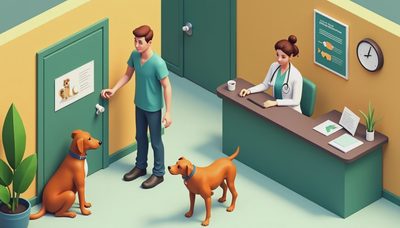
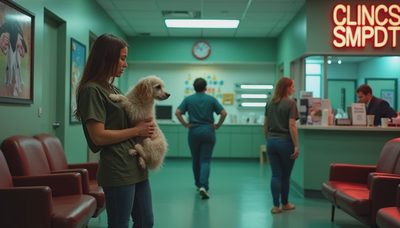
Bring a medication list and mention supplements, recent procedures, vomiting, dental disease, swallowing trouble, and any exposure to contagious dogs. These details can change the testing plan. If your dog is coughing, call ahead before entering the waiting room so the clinic can reduce contact with other patients.
Treatment and recovery basics
Treatment for pneumonia in dogs depends on the suspected cause and how stable the patient is. Bacterial infections may require prescription antibiotics selected by the veterinarian. Dehydrated or very sick dogs may need intravenous fluids, oxygen, hospitalization, or assisted nutrition. Some dogs recover at home with medication, rest, hydration support, and carefully scheduled rechecks; others need several days of inpatient monitoring.
Do not give human cold medicine, acetaminophen, ibuprofen, or cough products unless a veterinarian specifically directs you. Several common human medications can be dangerous to dogs, and suppressing a cough is not appropriate in every lung condition. Give prescribed medication exactly as directed and finish an antibiotic course unless the veterinary team changes the plan.
At home, keep activity calm and brief. Avoid smoke, candles, aerosol sprays, dusty bedding, and strenuous walks. Offer water frequently and feed according to the clinic’s instructions. If your dog vomits medication, refuses food, or seems more tired after treatment begins, contact the veterinary team rather than guessing about the next dose.

When breathing trouble becomes an emergency
Some cases of pneumonia in dogs worsen quickly, particularly when oxygen levels fall or infection spreads. Go to an emergency clinic for blue, gray, or very pale gums; collapse; severe weakness; gasping; continuous open-mouth breathing; or obvious distress. A dog that cannot lie down comfortably, repeatedly changes position, or uses the abdomen forcefully to breathe also needs urgent evaluation.
Call your regular veterinarian promptly for a new cough, fever, appetite loss, unusual tiredness, or breathing that is faster than normal at rest. Do not wait for every sign to appear. Early assessment can distinguish a manageable respiratory illness from a problem requiring oxygen and hospitalization.
Transport a struggling dog with minimal handling. Keep the car cool and quiet, allow a comfortable chest-down position if your dog chooses it, and avoid forcing food or water. Call the clinic while traveling so the team can prepare.
Questions to ask at the appointment
A short list can make a stressful visit more productive. Ask what findings support pneumonia in dogs, what other conditions are being considered, and whether chest X-rays or blood work are recommended. Ask how often to monitor resting breathing, which changes require an emergency visit, and when a recheck should happen.
It is also reasonable to ask whether your dog should be separated from other pets, how to give each medication, and what improvement should look like over the next 24 to 72 hours. Clarify whether coughing is expected during recovery and whether your dog can safely take regular medications or supplements.
You know your dog’s normal habits better than anyone. Write down appetite, water intake, sleep, cough frequency, bathroom habits, and resting breathing once or twice daily. That record gives the veterinarian useful information and helps you see gradual improvement instead of judging every moment in isolation. Pneumonia in dogs is serious, but prompt attention and careful follow-through give many dogs a stronger path back to comfortable breathing.



No notes yet — write the first one.