Finding soft stool, poor appetite, or unusual tiredness can make any dog owner wonder what is happening. Hookworm in dogs is one possible explanation, especially for puppies, recently adopted dogs, and pets who spend time outdoors. These intestinal parasites attach to the lining of the small intestine and feed on blood. You do not have to panic — but you do need to notice patterns and arrange veterinary guidance rather than guessing from symptoms alone.
Hookworms are common in the United States and are usually identified with a fecal examination. A dog can have a small number of parasites and show few obvious clues, while a puppy with a heavier infection can become seriously anemic. The good news is that veterinary treatment is generally effective, and prevention products can greatly reduce the chance of reinfection.
What hookworms do inside a dog
Hookworms are small parasitic worms that live in the intestine. Dogs can become infected by swallowing larvae from contaminated soil, grass, water, or objects. Some larvae can also enter through the skin, particularly when a dog lies on damp ground. Puppies may acquire infection from their mother through nursing, which is one reason routine parasite control matters so much early in life.
Once inside the body, hookworms mature and attach to the intestinal wall. Their feeding can cause blood loss and irritation. The effects depend on the dog's age, immune status, overall health, and number of parasites. A healthy adult dog may have vague diarrhea or no visible symptoms. A young puppy can develop pale gums, weakness, dehydration, or poor growth much faster.
Hookworm in dogs is not the same thing as seeing a large worm in vomit or stool. The parasites are often too small to spot without testing, so a normal-looking bowel movement does not rule out infection. This is why a veterinarian may recommend a fecal test even when the stool appears ordinary.
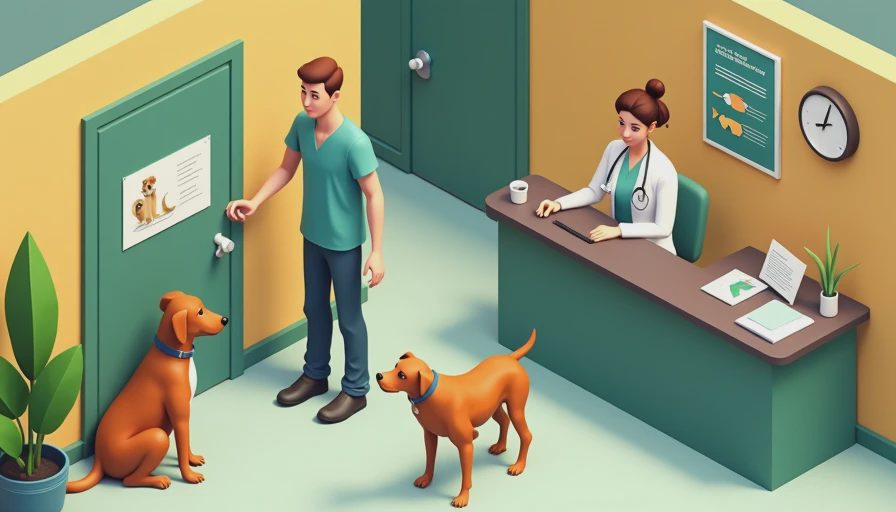
Signs of hookworm in dogs to watch for
The earliest signs can be easy to dismiss because they overlap with dietary upset and other intestinal problems. Watch for loose stool, mucus or dark stool, reduced appetite, weight loss, a dull coat, or lower energy. Some dogs develop a soft cough during the parasite's life cycle, although coughing has many other possible causes and is not enough to identify hookworms.
Pale or white-looking gums are more concerning than mild stomach upset. Healthy gums are generally pink, although normal color varies somewhat among individual dogs. A dog with blood loss may seem unusually tired, reluctant to play, or weak after a short walk. Puppies may fail to gain weight, have a potbelly, or become quiet instead of acting curious and energetic.
Black, tarry stool can indicate digested blood and deserves prompt veterinary attention. Repeated vomiting, collapse, fast breathing, severe diarrhea, or marked weakness should be treated as urgent signs. Hookworm in dogs can become dangerous when blood loss and dehydration occur together, especially in small puppies.
Do not wait for a dramatic symptom before calling. Write down when the stool changes began, how often your dog is eating and drinking, and whether energy is improving or declining. A quick phone call can help the clinic decide how soon your dog needs to be seen.
How veterinarians diagnose and treat the infection
Diagnosis usually starts with a history, physical examination, and fecal testing. The clinic may use fecal flotation or another laboratory method to look for parasite eggs. Because shedding can vary, a single negative result does not always explain every symptom. Your veterinarian may recommend repeat testing or a broader parasite evaluation if the clinical picture does not fit the first result.
Treatment for hookworm in dogs typically involves a veterinary-approved deworming medication. Depending on the product and the dog's age, health, and parasite burden, treatment may need to be repeated because some stages are not eliminated by one dose. Many monthly heartworm preventives also control certain intestinal worms, but products differ. Do not combine dewormers or use livestock medication without veterinary direction.
A dog with anemia, dehydration, or significant intestinal illness may need additional care, such as fluids, nutritional support, or monitoring of blood counts. Puppies sometimes require closer follow-up than adults. Ask the clinic what medication was given, when the next dose is due, whether every household dog should be tested, and when a repeat fecal examination is appropriate.
Treatment works best when it includes environmental cleanup. Medication removes parasites from the dog, but contaminated soil can expose the pet again. Picking up feces promptly and following the clinic's instructions lowers that risk.
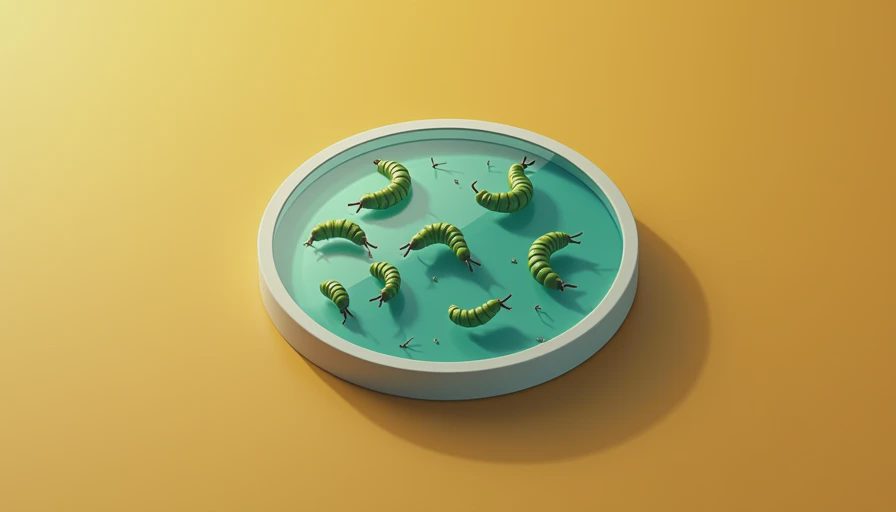
Cleaning your home and reducing reinfection
Start with the places your dog uses most: the yard, kennel, crate area, and favorite resting spots. Remove feces daily and seal the waste in a bag before placing it in the trash. Wash bedding according to its care label, clean hard surfaces, and wash your hands after handling stool. Shoes can also carry contaminated soil indoors, so leave muddy footwear near the door when possible.
Grass and soil are harder to disinfect than indoor surfaces. Prompt waste removal is more practical than trying to sterilize a yard. Avoid letting dogs walk barefoot on visibly contaminated areas, and keep children away from pet waste. Hookworm larvae can survive in moist environments, so dry, sunny areas are generally easier to manage than persistently damp ground.
People can be exposed to some dog hookworms through contaminated soil. Human infection is uncommon with sensible hygiene, but larvae can cause itchy skin tracks after contact. Wear gloves for cleanup, wash hands before eating, and contact a healthcare professional if a person develops a persistent itchy skin lesion after soil exposure.
Prevention that fits real life
Ask your veterinarian about a parasite-prevention schedule based on your dog's age, lifestyle, region, and exposure. A dog who visits dog parks, hikes, boards, or lives with several pets may have different risks from a mostly indoor companion. Puppies need a carefully timed plan because they are more vulnerable to anemia and may need several deworming steps.
Keep preventive doses on a calendar or phone reminder. Missing one dose does not mean you should double the next dose; ask the prescribing clinic how to restart safely. Bring a fresh stool sample to wellness visits when requested, even if your dog seems completely normal. Routine screening helps identify hookworm in dogs before weight loss or weakness becomes obvious.
Avoid blaming yourself if an infection appears. Dogs can encounter microscopic larvae in ordinary outdoor spaces, and a treated infection does not mean an owner was careless. The useful response is a clear plan: treat as prescribed, clean contaminated areas, protect people during cleanup, and maintain prevention.
When to call the veterinarian
Call promptly for persistent diarrhea, weight loss, poor appetite, pale gums, or reduced energy. Seek urgent care for collapse, severe weakness, repeated vomiting, black stool, trouble breathing, or a puppy who seems suddenly much quieter than usual. These signs can have causes besides hookworms, but they deserve timely assessment.
Before the appointment, record your dog's age, weight if known, current medications, last preventive dose, recent travel or boarding, and a description of the stool. Bring a fresh sample in a sealed container if the clinic requests one. These details help the veterinary team connect symptoms with exposure and choose appropriate testing.
Hookworm in dogs is treatable, but early attention protects your pet from avoidable blood loss and helps prevent spread through the environment. Notice the small changes, ask direct questions, and follow through with prevention. Your dog does not need a perfect owner; they need an observant one.



No notes yet — write the first one.