
The dog limps for a few steps after rising, then walks normally. The cat hesitates on the stairs one evening and is fine the next morning. An owner watches closely for a day or two, sees improvement, and files the episode under “must have slept on it wrong” or “probably just a minor tweak.”
Intermittent limping is one of the most commonly underestimated signals I see. Because the problem is not constant, it is easy to conclude it is minor. In reality, many orthopedic and soft-tissue issues announce themselves this way for weeks or months before they become consistent. The on-and-off pattern is not proof of insignificance; it is often the early communication style of a joint, ligament, tendon, or muscle that is beginning to complain.
Why intermittency fools us
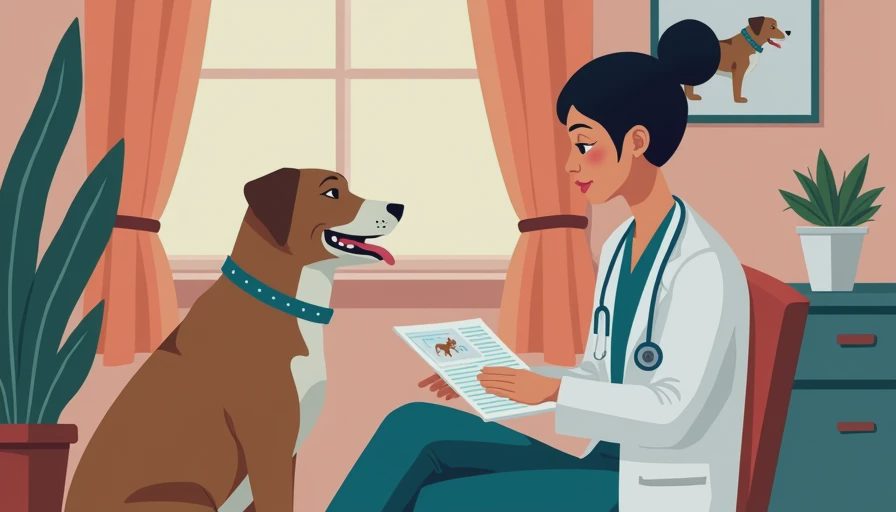
Pets warm up. After rest, a stiff or sore area can produce a visible limp or hitch that softens once blood flow increases and the animal adjusts its movement. Owners see the normal stretch of walking and reasonably think the issue has resolved. The next rest period resets the cycle. Over time the “warm-up” period may lengthen, the limp may appear after shorter rests, or it may begin to show during activity rather than only after it. By then the underlying process is further along.
Cats are especially good at this disappearing act. A subtle hitch in the hind end or a brief reluctance to jump can vanish by the time the carrier is opened at the clinic. Dogs of stoic breeds perform the same vanishing trick on the way through the waiting room.
Patterns that deserve attention even when the limp “goes away”
Limping or stiffness first thing after rising or after a car ride, improving within minutes.
A hitch that appears at the end of walks rather than the beginning.
Reluctance to jump, use stairs, or rise from one side that comes and goes.
Shifting leg patterns—sometimes left front, sometimes right hind—suggesting the pet is unloading different areas on different days.
Progressive change in frequency or duration: what used to resolve in three steps now lasts a block, or appears several times a week instead of once.
Accompanying signs: reduced play intensity, slower stairs in both directions, licking at a joint, or irritability when a specific area is touched.
Any of these can stem from joint inflammation, early ligament strain, soft-tissue injury, paw problems, neurologic issues, or referred pain. The intermittency itself does not distinguish among them; it only tells you the process is still partially compensated.
What useful home observation looks like

You do not need constant video. Targeted notes and a few short clips are enough:
When does the limp appear (after rest, during activity, after specific surfaces or movements)?
Which leg or region seems affected, and is it consistent?
How long before the gait looks normal again?
Is the pattern stable, improving, or slowly worsening over weeks?
Any change in willingness to jump, climb, or play?
Short phone videos taken when the limp is visible—especially right after the pet rises—are often more valuable than a normal-looking examination later in the day. Date them. Bring them.
Why “wait and see if it happens again” has limits
A single brief episode after unusually hard play may reasonably be monitored for a few days. Repeated intermittent episodes, even if each one resolves, form a pattern. That pattern is the information. Waiting until the limp is constant often means waiting until compensation has been exhausted and the problem is harder to treat conservatively.
Early evaluation can include a careful orthopedic and neurologic exam, gait observation, and, when indicated, radiographs or other imaging. Many causes of intermittent lameness respond better to rest, controlled activity, pain management, joint support, or physical therapy when they are addressed before chronic changes set in.
Special notes for cats and senior pets
Cats rarely display dramatic, sustained limping until disease is advanced. Intermittent hesitation, shortened jumps, or brief bunny-hopping are often the only early clues. Senior dogs and cats may have multiple sites of discomfort; the visible limp can shift as they redistribute weight. In both groups, “he’s just getting old” is a conclusion that should follow examination, not precede it.
A practical stance
Intermittent limping is easy to minimize because it supplies its own false reassurance: the pet looks better again. Treat the recurrence, not the resolution, as the meaningful part of the story. A limp that appears, disappears, and reappears is still a limp. It is simply one that is still being managed by the pet’s ability to compensate.
You do not have to rush to the clinic for every single off step after a wild play session. You do need to notice when the off steps form a repeating pattern across days or weeks. That pattern is one of the clearer body clues a pet can offer while the problem is still intermittent—and while the range of comfortable, effective responses is usually widest.
In later posts I’ll share a short home mobility checklist and ways to track good days versus harder days so these fluctuating signs become easier to document. For now, take the disappearing limp seriously. The fact that it vanishes is not proof that nothing is wrong; it is often proof that the pet is still able to hide it.




No notes yet — write the first one.