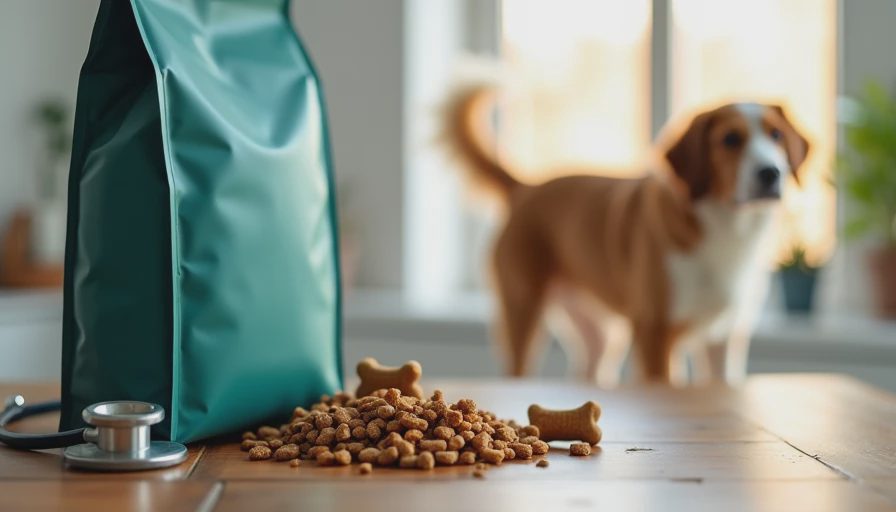
The main food is carefully chosen. The bag is complete and balanced. Portions are measured. Then the day happens: training rewards, dental chews, a piece of cheese while cooking, a biscuit for coming inside, a few extra kibbles because the eyes were persuasive. By evening the “small” additions have quietly rewritten the calorie and nutrient picture.
I see the results in the clinic every week—pets whose owners are doing many things right with the primary diet yet still face weight gain, restless hunger, softer stools, or nutrient imbalance. The missing piece is almost always the treats and extras. They feel incidental. They are not.
Why treats punch above their apparent weight
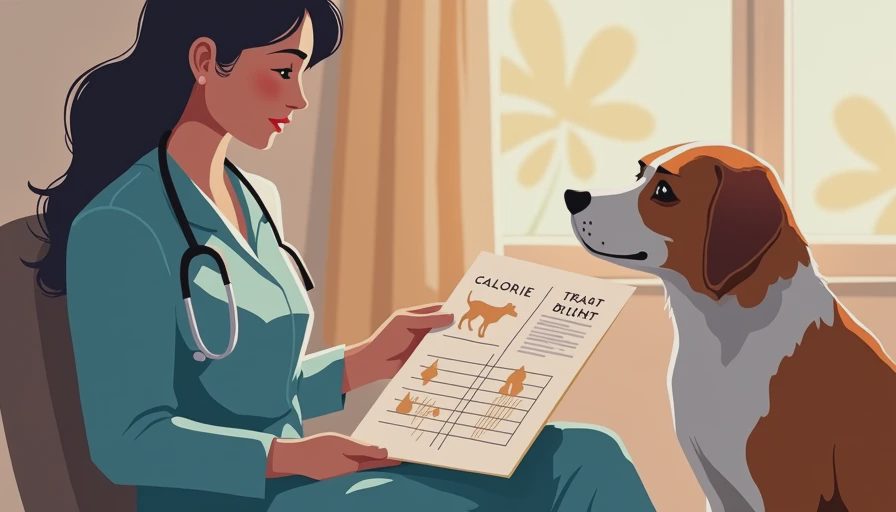
Treats are energy-dense relative to their size. A single cube of cheese, a commercial training treat, or a dental chew can contain more calories than an owner expects. When several are given across the day, they can easily reach 10–20 % (or more) of total daily calories. At that point they are no longer a minor addition; they are a meaningful portion of the diet.
Two further effects follow:
Calorie displacement or surplus. If the main meals stay the same, total energy intake rises and weight creeps up. If the owner reduces meals to compensate without measuring, the pet may lose out on the balanced nutrition the primary food was meant to supply.
Nutrient distortion. Many treats are high in fat or simple carbohydrates and low in the vitamins, minerals, and amino-acid balance of a complete food. Heavy treat use can unbalance an otherwise solid feeding plan, especially in small dogs and cats where the margin is tighter.
The everyday places extras hide
Owners usually remember the obvious biscuits. The quieter contributors are easier to miss:
Training rewards given in rapid succession
Dental chews or “edible toys” left available for extended chewing
Table scraps or “just a taste” while preparing human meals
Medication disguises (pill pockets, cheese, peanut butter) given daily
Multi-pet households where one animal finishes what another leaves
Guests or children who feed the pet without reporting it
Any of these can be reasonable in isolation. Together they become the variable that undermines an otherwise consistent plan.
A practical way to keep treats from taking over
1. Decide on a daily treat budget
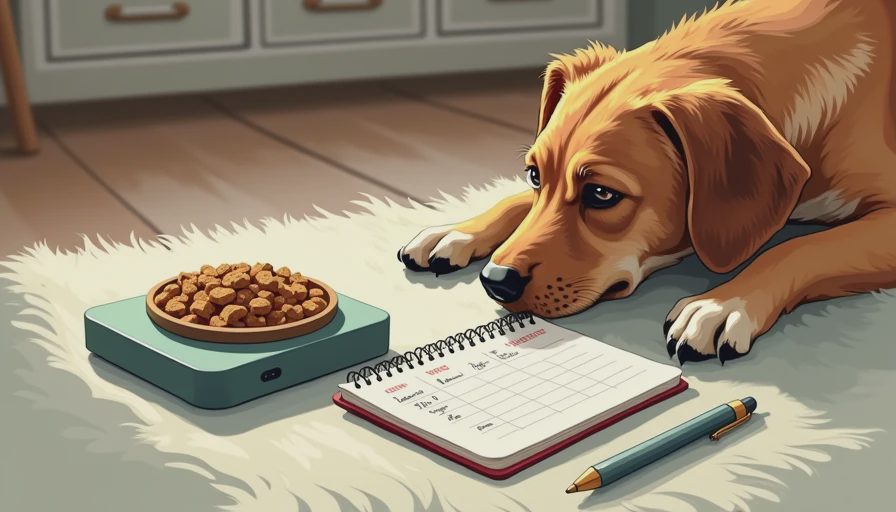
A common guideline is to keep treats and extras at or below 10 % of total daily calories. The rest should come from the complete and balanced main food. Your veterinarian or a veterinary nutritionist can help translate that percentage into actual grams or numbers of treats for your pet’s size and energy needs.
2. Measure the main food first
Once the daily calorie target is clear, portion the primary diet, then allocate the remaining allowance to treats. This reverses the usual habit of feeding meals and then adding snacks on top.
3. Choose treats with intention
Lower-calorie options (certain vegetables for dogs that tolerate them, air-dried single-ingredient meats in tiny pieces, or commercial treats with clear calorie information) stretch the budget further. Dental chews should be counted, not treated as free extras.
4. Account for “hidden” calories
Pill pockets, flavored medications, and training treats used in high volume during a behavior project all belong in the same daily tally.
5. Watch the clinical signals
Gradual weight gain, persistent begging despite adequate meals, softer or more frequent stools, or a coat and energy level that do not match the quality of the main food are prompts to audit the extras.
Special cases that need tighter control
Weight-loss plans. Treats are often the first place leakage occurs. Strict accounting is required if the plan is to work.
Pets with medical diets. Prescription gastrointestinal, urinary, or kidney diets can be undermined by indiscriminate snacks that reintroduce the very ingredients or nutrient levels being controlled.
Small dogs and cats. Absolute calorie budgets are small; a few extras represent a large percentage.
Multi-pet homes. Separate feeding spaces and clear household rules prevent one animal from collecting everyone else’s leftovers.
What I tell owners in the room
I do not ask people to eliminate every enjoyable interaction that involves food. Training, bonding, and medication delivery all have value. I do ask them to treat those moments as part of the nutrition plan rather than as exceptions to it. Once the extras are visible and measured, most owners can keep the things that matter and still support a healthy weight and balanced intake.
A simple daily note—“main food 180 g, training treats ~15 pieces, dental chew ½, no table food”—is enough to reveal patterns. After a week or two the audit usually makes the next adjustment obvious.
The larger point
The primary diet receives most of the research, marketing, and owner attention. Treats and snacks receive far less, yet they are one of the most common reasons a carefully chosen food fails to deliver the expected body condition and digestive consistency. Making the invisible calories visible is often the highest-leverage change an owner can put in place.
You do not have to turn every interaction into a calculation. You do need to know how much of the daily intake is coming from outside the measured meals. Once that number is honest, the rest of the feeding plan has a realistic chance to work.
In later posts I’ll look at how to evaluate a diet change with your veterinarian and how to read hunger signals that persist even when calories are adequate. For now, give the treats the same attention you already give the main bag. They count.




No notes yet — write the first one.