If your dog has loose stool, mild constipation, or an impressive talent for eating something questionable, you may have heard that pumpkin can help. Pumpkin puree for dogs is a common home dietary addition, but it is not a universal cure or a substitute for finding out why your dog feels unwell. The useful part is understanding what pumpkin does, how much to offer, and when a digestive change needs professional attention.
What pumpkin can do for a dog's digestion
Plain pumpkin contains water and dietary fiber. Fiber can help add bulk to stool, while soluble fiber holds water and is fermented by normal gut bacteria. That combination is why pumpkin puree for dogs sometimes helps a dog with a minor, short-lived change in bowel movements. It can also make stool easier to pass when a dog is mildly constipated, especially when the dog is drinking normally.
The key word is minor. A dog with repeated diarrhea could have dietary indiscretion, parasites, infection, food intolerance, pancreatitis, or another medical problem. Pumpkin does not treat those causes. It can sometimes make the stool look better while the underlying issue continues, which is one reason I pay attention to the whole pattern instead of focusing on one bathroom trip.
Pumpkin also adds calories and carbohydrates. A tablespoon here and there is not nutritionally dramatic for a large dog, but frequent spoonfuls can matter for a small dog, a dog with diabetes, or a pet on a carefully measured weight-loss plan. Think of it as a food ingredient, not a free supplement.
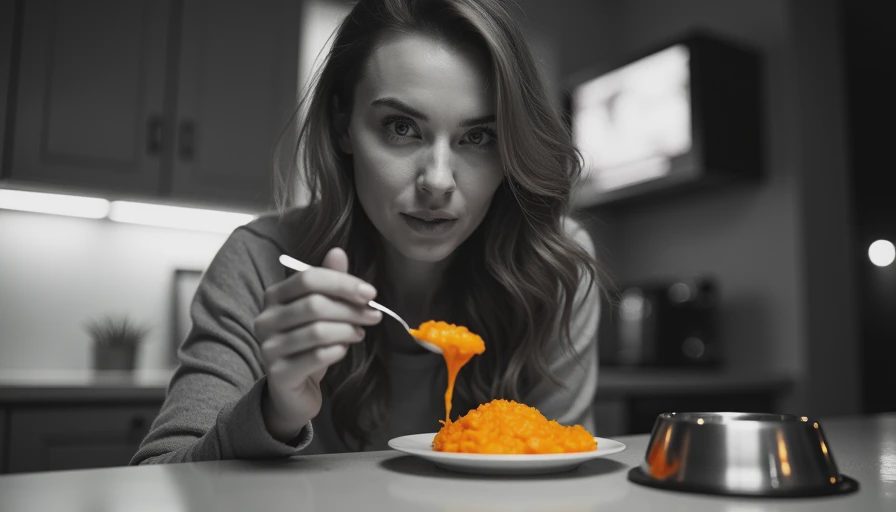
Choosing the right pumpkin product
The safest grocery-store option is plain canned pumpkin, sometimes labeled 100% pumpkin. Read the ingredient list. It should not contain sugar, salt, spices, milk, sweeteners, or other flavorings. Pumpkin pie filling is not the same product. It may contain nutmeg, cinnamon, concentrated sugar, and other ingredients your dog does not need. Avoid seasoned leftovers from a holiday meal as well.
You can also cook fresh pumpkin, remove the seeds and tough outer skin, and mash the cooked flesh without butter or seasoning. Fresh preparation is fine, but canned pumpkin is usually simpler and more consistent. Store an opened can in the refrigerator and use it according to the package directions; freezing small portions in an ice cube tray can reduce waste.
Pumpkin puree for dogs should be smooth and unseasoned. Do not confuse it with pumpkin-flavored coffee products, dessert mix, or a human fiber product containing multiple active ingredients. If you are unsure about a label, bring a photo of it to your veterinary team or choose a single-ingredient product instead.
How much should you give?
There is no one correct portion for every dog. Size, age, current diet, medical conditions, and the reason for adding pumpkin all matter. As a cautious starting point, a small dog may begin with about one teaspoon mixed into food, while a medium or large dog may start with one to two teaspoons. If tolerated, some veterinary teams use roughly one to four tablespoons daily for larger dogs, divided with meals. That is a range, not a prescription.
Start low because too much fiber can cause gas, abdominal discomfort, or looser stool. Mix the puree into the regular meal rather than replacing a balanced diet. Offer water as usual, and watch the stool, appetite, energy, and comfort over the next day. If a dog refuses food, vomits, becomes painful, or worsens after the addition, stop treating this as a simple food experiment.
For a 12-pound dog, a heaping serving spoon can be excessive even if it looks small beside a human meal. For a 75-pound dog, a teaspoon may have little practical effect. Portion decisions should be based on the individual dog, not a viral social-media rule.
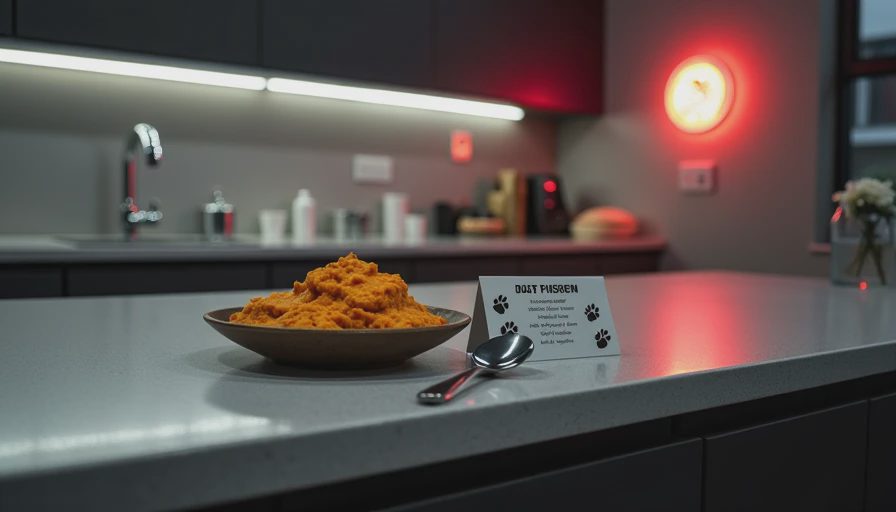
When pumpkin may be reasonable at home
Pumpkin puree for dogs can be reasonable as a short-term supportive food when a dog is bright, drinking, interested in food, and has one or two mildly abnormal stools after a known diet change. For example, a dog that received several rich treats at a birthday party may have soft stool the next morning but otherwise act completely normal. A small amount of plain pumpkin with the regular diet, followed by careful observation, may be appropriate.
Keep a simple log: time of each stool, texture, color, vomiting, water intake, appetite, energy, and anything unusual the dog ate. This turns vague worry into useful information. If the stool normalizes within a day and the dog remains comfortable, return to the normal feeding routine rather than continuing pumpkin indefinitely.
Constipation deserves similar caution. A dog that strains repeatedly, produces no stool, cries, vomits, or has a swollen belly needs veterinary guidance, not repeated spoonfuls of fiber. Pumpkin cannot safely solve an obstruction, dehydration, or severe intestinal slowdown.
When to skip the home remedy
Call your veterinarian promptly for repeated vomiting, bloody or black stool, severe or frequent diarrhea, marked lethargy, collapse, significant abdominal pain, or signs of dehydration such as tacky gums and unusual weakness. Puppies, senior dogs, pregnant dogs, and pets with diabetes, kidney disease, pancreatitis, inflammatory bowel disease, or a prescribed diet deserve a lower threshold for calling.
A dog that swallows a sock, toy, bone fragment, corn cob, or large amount of trash should not be managed with pumpkin puree for dogs in hopes that extra fiber will push the object through. Foreign bodies can obstruct the intestines, and adding food may delay needed treatment. You do not have to panic, but you do need to notice the timeline and severity of the signs.
Even a mild problem that lasts more than a day or keeps returning deserves a conversation. Recurring soft stool is information. Your veterinarian may ask about treats, table food, parasite prevention, diet changes, stool frequency, weight loss, and whether other pets or people in the household are sick.
A practical feeding checklist
Before offering pumpkin puree for dogs, check that the can contains only plain pumpkin. Measure a small starting portion based on your dog's size, mix it with the usual meal, and avoid adding oil, butter, salt, or spices. Keep fresh water available. Do not introduce several new foods at once, because you will not know which change caused improvement or irritation.
After feeding, observe for 12 to 24 hours if the dog is otherwise well. Record whether the stool becomes more formed, stays the same, or worsens. Look at appetite and energy, not just the poop bag. If symptoms continue, call the clinic with the log and the product label. That information can save time during triage.
The goal is not to make every digestive symptom disappear with a pantry ingredient. The goal is to support a comfortable dog briefly while recognizing when the body's warning light needs a closer look. Used plainly, in a modest portion, pumpkin can be a useful tool. Used as a replacement for veterinary care, it can create delay. Start with the pattern, feed thoughtfully, and ask for help when the pattern does not improve.



No notes yet — write the first one.