When your dog suddenly scoots across the carpet, turns to lick under the tail, or leaves a strong fishy smell behind, it is understandable to wonder what is happening. Anal glands in dogs are small scent-producing sacs beside the anus, and problems with them are common enough to recognize but varied enough that a single symptom does not tell the whole story. You do not have to panic, but you do need to notice the pattern.
What anal glands do
A dog has two anal sacs, usually positioned on the lower left and lower right sides of the anus. They contain a smelly fluid that normally leaves during a bowel movement when firm stool puts gentle pressure on the sacs. This is one reason dogs use scent as part of communication. It is not a sign that your dog is dirty or that you have done something wrong.
The phrase anal glands in dogs is often used casually, although veterinarians usually say anal sacs. The sacs can fail to empty normally when stool is too soft, the openings become narrowed, the dog has skin inflammation, or the sacs produce unusually thick material. Small dogs are often seen for these complaints, but any dog can develop a problem. Weight changes, allergies, chronic diarrhea, constipation, and individual anatomy can all affect the pattern.
Scooting once after a bowel movement may simply reflect an itchy bit of debris. Repeated scooting, persistent licking, redness, swelling, or discomfort deserves closer attention. Watch what happens before and after your dog poops, and note whether the stool is formed or loose.
Signs that deserve a closer look
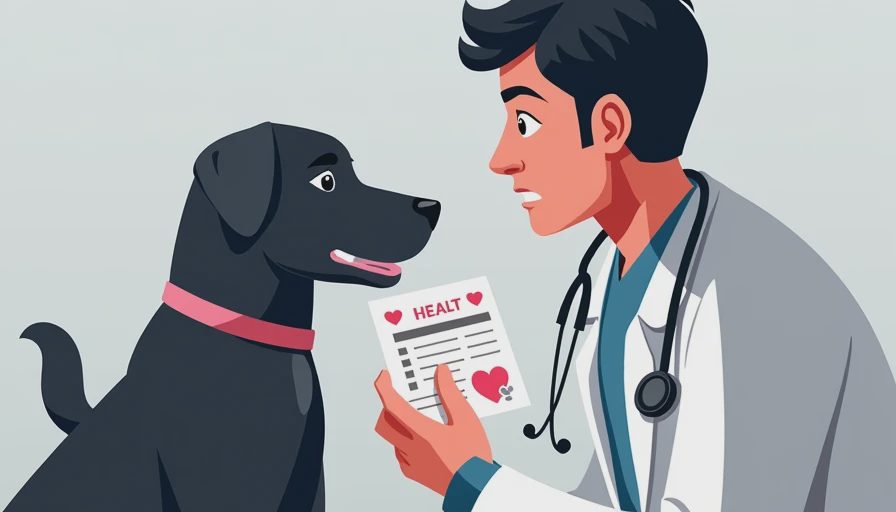
Common signs of anal glands in dogs include dragging the rear on the floor, licking or chewing beneath the tail, suddenly sitting down, hesitating to poop, or looking back at the hind end. Some dogs hold the tail low or act uncomfortable when you touch near the hips. A sharp, metallic or fishy odor can occur when a sac leaks, even if you do not see fluid.
A mild issue can become more painful when material thickens inside a sac. You might see a small amount of brown or yellow discharge near the anus, but discharge alone does not show whether the problem is simple fullness, inflammation, or infection. Swelling beside the anus, heat, obvious pain, blood, pus, fever, reduced appetite, or low energy are more concerning signs.
Do not assume every rear-end symptom comes from anal glands in dogs. Fleas, tapeworm segments, allergies, skin infection, a rectal injury, and gastrointestinal disease can look similar. A veterinarian may need to examine the skin, tail, rectum, and stool history before recommending treatment.
When to call your veterinarian
Call your veterinary clinic for repeated scooting or licking, especially if the behavior continues for more than a day or returns frequently. Schedule a prompt appointment if your dog strains to poop, cries, guards the tail, or has a lump near the anus. A same-day evaluation is sensible when there is blood, pus, marked swelling, severe pain, vomiting, fever, or unusual tiredness.
An abscess can form when an infected sac builds pressure. It may rupture through the skin and create an open, messy wound. That can look dramatic, but veterinary treatment is usually much easier when the problem is addressed before rupture. Emergency care is appropriate if your dog seems severely ill, cannot pass stool, has uncontrolled bleeding, or is in intense pain.
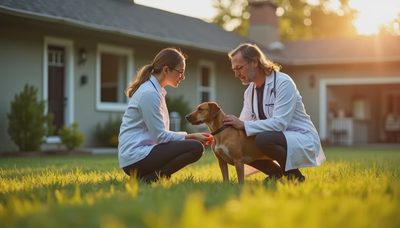
At the visit, the veterinarian may gently examine the sacs and determine whether they can be emptied safely. Treatment might include flushing, pain relief, antibiotics when infection is present, or follow-up care. Do not give human pain medication unless a veterinarian specifically directs you; common products can be dangerous for dogs.
Can you prevent anal gland problems?
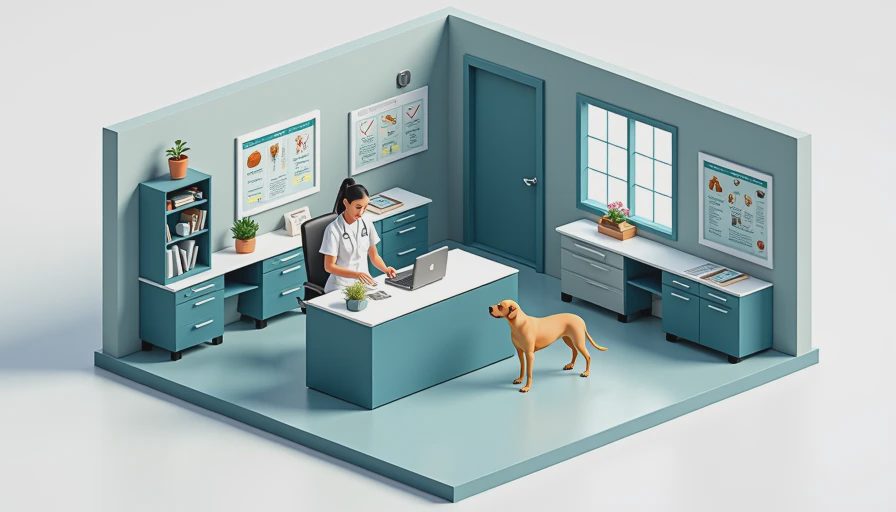
Prevention starts with consistent stool quality, not simply adding a random fiber supplement. A formed stool gives the colon and anal sacs more natural pressure than repeated watery diarrhea. If your dog has loose stool, ask about causes such as food intolerance, parasites, sudden diet changes, inflammatory disease, or medication effects.
Your veterinarian may suggest a carefully chosen fiber source, a diet adjustment, or treatment for allergies. Pumpkin is often discussed online, but the correct amount and suitability depend on your dog’s size, current food, medical history, and stool pattern. More fiber is not automatically better, and sudden diet changes can worsen diarrhea.
Keep your dog at a healthy body condition and record bowel changes. A simple note with the date, stool consistency, treats, new foods, and symptoms can reveal a useful connection. Regular grooming may also help dogs with dense hair around the rear, but trimming should be done carefully to avoid skin irritation.
Routine expression is not necessary for every dog. Some dogs benefit from professional emptying because of recurring problems, while others become irritated by unnecessary handling. Ask your veterinarian whether scheduled checks make sense rather than arranging frequent expression automatically.
Why home squeezing can backfire
Searching for instructions about anal glands in dogs can lead to videos that make expression look quick and harmless. It is not a good first-line do-it-yourself project. Pressure in the wrong direction can bruise tissue, cause pain, push material deeper, or miss an abscess. Internal expression is especially easy to perform incorrectly and should be left to trained veterinary professionals.
If your dog has mild, occasional scooting, gently clean visible debris with a damp cloth and monitor the next bowel movement. Do not insert anything into the anus, apply essential oils, use leftover antibiotics, or squeeze a swollen area. If your dog snaps, cries, or cannot settle, stop handling the area and call the clinic.
For recurring anal glands in dogs, ask whether allergies, stool quality, weight, anatomy, or another condition could be contributing. A treatment plan that addresses the cause is more useful than repeating temporary emptying every few weeks.
What to track before the appointment
Write down when the signs began, how often they occur, and whether they follow pooping, grooming, exercise, or a new food. Note stool texture, odor, discharge color, appetite, water intake, and energy. A clear photo of swelling or discharge can help if the appearance changes before the appointment, but never delay care to collect pictures.
Bring the names of all foods, treats, supplements, flea products, and medications. Ask, “Do the sacs look impacted, inflamed, or infected?” and “Could the stool pattern or allergies be part of this?” You can also ask what signs should trigger a recheck and whether a fiber or diet trial is appropriate.
Anal glands in dogs are a manageable health concern when owners catch the pattern early. A single scoot is not automatically an emergency, but repeated symptoms, pain, swelling, discharge, or behavior changes should not be ignored. Start with observation, avoid risky home treatment, and use your veterinary team to turn a smelly mystery into a clear care plan.

No notes yet — write the first one.