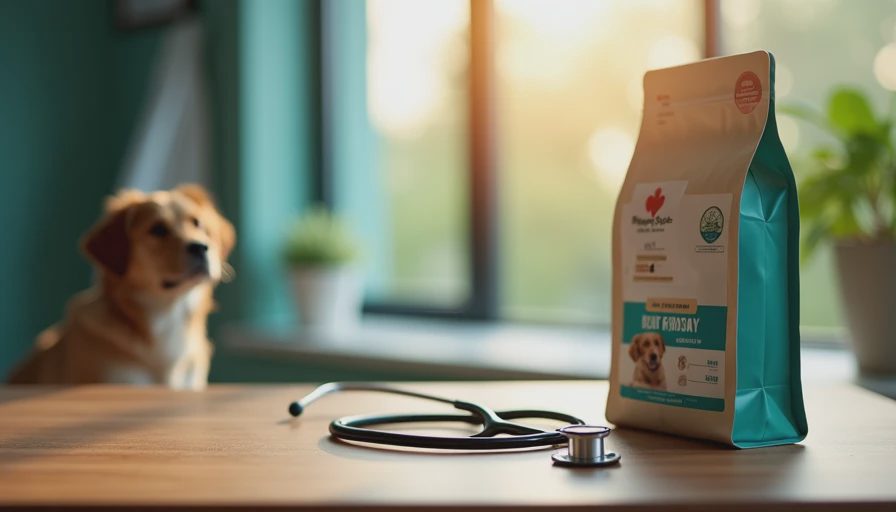
For years, “grain-free” sat on bags and in marketing copy as a kind of shorthand for better. Owners switched because they wanted fewer fillers, cleaner ingredients, or a solution for itchy skin and ear problems they had linked to grain. The phrase felt like an upgrade. In many households it became the default assumption: if the food had no grain, it must be closer to what a dog or cat should eat.
Then the conversation shifted. Reports linked certain grain-free diets—particularly those heavy in legumes and potatoes as carbohydrate sources—to a higher incidence of diet-associated dilated cardiomyopathy (DCM) in dogs. The FDA investigated. Veterinary nutritionists and cardiologists published data. Some brands reformulated. Owners who had switched with the best intentions were left wondering whether the upgrade had carried an unexpected cost.
The practical takeaway is not that every grain-free diet is dangerous or that every grain-containing diet is ideal. It is that the label “grain-free” never meant what most marketing implied, and the formulation details behind the label matter more than the presence or absence of grain.
What owners reasonably thought it meant
The common beliefs I still hear in the exam room:
Grain is a filler with little nutritional value.
Grain is a frequent cause of allergies or itchy skin.
Ancestral or “natural” diets did not contain grain, so removing it is automatically better.
Grain-free equals higher protein or higher meat content.
Some of these ideas contain partial truths; none of them hold up as universal rules.
What the evidence and formulation reality actually show

Grains as nutrition, not just filler
Cooked grains such as rice, barley, oats, and corn supply digestible carbohydrates, some protein, fiber, and micronutrients. In a complete and balanced diet they are legitimate energy sources. “Filler” is a marketing word, not a nutritional category. Poorly formulated diets can exist with or without grain.
Allergies and grain
True dietary allergies in dogs and cats are less common than many owners believe, and they are more often linked to animal-protein sources (beef, chicken, dairy, etc.) than to grains. When a pet improves after a diet change, the improvement may come from a novel protein, higher digestibility, lower overall antigen load, or simply better control of treats and table food—not necessarily from the removal of grain itself.
The DCM association
The reported cases clustered around grain-free diets that relied heavily on pulses (peas, lentils, chickpeas) and potatoes as major carbohydrate and plant-protein sources. The exact mechanism is still not fully settled; hypotheses have included effects on taurine status, other nutrient interactions, or as-yet-unidentified factors. Not every grain-free diet was implicated, and DCM has also occurred in dogs eating other diet types. The signal was strong enough, however, that many veterinarians began asking about diet history in cardiac cases and recommending reconsideration of diets with those ingredient profiles, especially for breeds already at higher risk for DCM.
What “grain-free” actually changed on the bag
Removing grain required replacing the carbohydrate and some of the plant protein. Manufacturers often turned to legumes, potatoes, and similar ingredients. Protein percentages on the guaranteed analysis sometimes looked higher, but the amino-acid profile, starch source, and overall nutrient balance depended on the specific recipe—not on the grain-free claim. Some products were well formulated; others were not. The front-of-bag phrase did not guarantee either outcome.
A more useful way to evaluate a diet
Instead of treating grain-free as a yes/no virtue signal, look at the larger picture:
Is the diet complete and balanced for the life stage?
What are the primary protein and carbohydrate sources?
Does the pet maintain ideal body condition, good stool quality, healthy skin and coat, and stable energy on it?
Is there a medical reason for a specific formulation (diagnosed allergy, urinary issues, kidney support, etc.)?
For dogs, especially larger breeds or those with cardiac risk factors, has the diet been associated with the ingredient patterns of concern, and has your veterinarian weighed in?
If a grain-free diet is working well for an individual pet and the veterinarian has no concerns, there is no automatic need to change. If the diet was chosen purely on the marketing claim, or if the pet belongs to a higher-risk group, a conversation about alternatives is reasonable.

What I tell owners now
I do not ban grain-free foods across the board. I do ask what problem the owner was trying to solve when they switched, whether that problem actually improved, and whether the current diet is still the best match for the pet’s health goals. Many dogs and cats do perfectly well on diets that include grain. Many others do well on carefully formulated grain-free recipes. The deciding factors are nutritional adequacy, ingredient transparency, clinical response, and ongoing veterinary input—not the presence or absence of a single word on the bag.
Trends move faster than evidence. Grain-free was a powerful trend. The evidence that followed complicated the story. The owners who navigate it best are the ones who treat the label as one data point among several rather than as a complete recommendation.
You do not have to panic if your pet is currently eating a grain-free food. You do need to know what the phrase actually delivered—and what it never guaranteed—so the next feeding decision rests on the pet in front of you instead of the marketing that surrounded a trend.
In later posts I’ll look at how to evaluate a diet change with your veterinarian and how treats quietly distort the nutrition picture even when the main food is well chosen. For now, the core shift is simple: move the question from “Is it grain-free?” to “Does this formulation support this pet’s actual health goals?”




No notes yet — write the first one.