
Chronic kidney disease is one of the most common diagnoses in older cats. By the time many owners notice dramatic signs—large weight loss, complete appetite collapse, or obvious lethargy—the disease has often been progressing quietly for months. The earliest clues are subtle, easy to attribute to ordinary aging, and frequently missed until a routine blood panel or a more advanced stage brings them into focus.
I am not writing this to create alarm. I am writing it so that the quieter changes become visible sooner, while monitoring and supportive care have the best chance to slow progression and protect quality of life.
Why the early phase is easy to overlook
Healthy kidneys concentrate urine, regulate fluid balance, and help manage waste and electrolytes. As kidney function declines, the organs lose concentrating ability. The cat produces larger volumes of more dilute urine and, to compensate, drinks more. Appetite, muscle mass, coat quality, and energy can shift gradually. Cats are already skilled at hiding discomfort; the slow pace of these changes makes them blend into “she’s just getting older.”
Laboratory values (creatinine, SDMA, BUN, urine specific gravity) detect the problem earlier than most behavioral signs. That is one reason regular senior wellness testing matters. At home, the everyday clues still provide useful context and can prompt an earlier conversation with the veterinarian.

The everyday clues I teach owners to notice
These signs are not specific to kidney disease on their own. Many other conditions can produce similar changes. What matters is the pattern, especially in a middle-aged or older cat, and the fact that they often appear before the cat looks frankly ill.
1. Increased thirst that becomes the new normal
The water bowl empties faster week after week without a clear change in weather, diet texture, or activity. Owners often adapt by refilling more often and stop registering the increase as a change.
2. Larger or more frequent urine clumps
In litter-box households this is one of the more observable early signals. Clumps that are consistently bigger, more numerous, or accompanied by new accidents outside the box can reflect the higher volume of dilute urine.
3. Subtle weight loss or loss of muscle
The scale may show a gradual downward trend, or hands may notice a thinner feel along the back, hips, and hindquarters while the belly still looks soft. Coat quality sometimes declines at the same time—drier, less glossy, or more prone to matting because the cat is grooming less thoroughly.
4. Selective or slower appetite
The cat still approaches the bowl but finishes less, prefers only certain textures, or eats better when food is warmed or offered in smaller, more frequent meals. This is often dismissed as pickiness until the pattern holds for weeks.
5. Mild, intermittent nausea signals
Occasional lip-licking, a single episode of vomiting bile or foam, or a slightly hunched posture after eating. These can be infrequent enough that each one is explained away.
6. Changes in energy distribution
Longer rest periods, less interest in play or exploration, or a sense that the cat is “quieter” without being overtly lethargic. Senior cats sleep more in general; the shift that accompanies early kidney disease is often gradual rather than sudden.
7. Altered grooming and coat condition
Reduced flexibility or mild malaise can lead to a greasier or duller coat, especially along the lower back and hind end. Owners may notice more mats or simply that the cat no longer looks as sleek.
How to turn observation into useful information
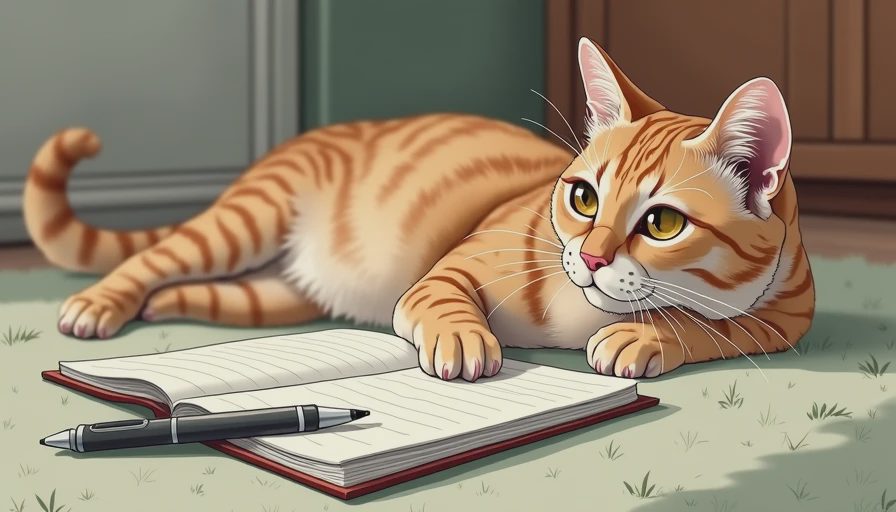
You do not need elaborate charts. A short weekly note is often enough:
Approximate change in water-bowl emptying
Litter-box observations (clump size, frequency, accidents)
Appetite pattern and any vomiting
Body-condition feel or scale weight if available
Energy and social behavior relative to the cat’s normal baseline
If several of these items are trending in the same direction over two to four weeks, schedule a veterinary visit and bring the notes. Mention that you are specifically concerned about possible early kidney changes; that context helps the clinician decide which diagnostics are most useful.
What happens at the clinic
A thorough history, physical examination, bloodwork, and urinalysis form the usual starting point. SDMA and creatinine help assess filtration; urine specific gravity shows concentrating ability; additional values look at electrolytes, anemia, and other organ systems. Blood pressure measurement is often included because hypertension commonly accompanies kidney disease. The results determine whether the changes are consistent with kidney disease, how advanced it appears, and what supportive steps (diet adjustment, hydration support, medication, monitoring schedule) are appropriate.
Early-stage management focuses on slowing progression, maintaining hydration and appetite, and protecting remaining kidney function. Many cats continue to have good quality of life for a long time with consistent care.
A practical stance for owners
Not every older cat that drinks a bit more or sleeps a bit longer has kidney disease. Ordinary aging, dental pain, hyperthyroidism, diabetes, and other conditions can produce overlapping signs. The goal of home observation is not self-diagnosis; it is earlier detection of a pattern that warrants professional evaluation.
Routine senior screening remains the most reliable way to catch kidney changes before the everyday clues become obvious. Between those visits, the quiet signals—thirst, urine volume, subtle weight and muscle loss, selective appetite—are the practical information you can gather at home.
You do not have to treat every extra trip to the water bowl as an emergency. You do need to notice when increased drinking, larger urine clumps, and gradual body-condition changes begin to travel together. That pattern is worth a conversation with your veterinarian while the cat still feels mostly like herself.
In later posts I’ll cover home weight-tracking methods for older cats and how to log good days versus harder days so long-term trends stay visible. For now, start with the short list of everyday clues. Consistency of attention is more valuable than complexity.



No notes yet — write the first one.