The signs of bloat in dogs can begin with something that looks almost ordinary: restlessness after dinner, a swollen belly, or repeated attempts to vomit. The word “bloat” is used for stomach expansion from gas, food, or fluid, but it can also be part of gastric dilatation-volvulus, commonly called GDV. In GDV, the stomach can twist and cut off blood flow. That is a life-threatening emergency, not a wait-and-see stomachache.
You don’t have to panic — but you do need to notice. A dog with suspected bloat should be evaluated by a veterinarian immediately, especially when several warning signs appear together.
The early signs owners often notice first
One of the most important signs of bloat in dogs is sudden discomfort that does not have an obvious explanation. Your dog may pace around the living room, repeatedly change position, stare at the abdomen, or seem unable to settle. Some dogs become unusually clingy, while others move away and hide. The behavior change may appear before the belly looks dramatically enlarged.
Other early clues include drooling, licking the lips, panting at rest, or stretching with the front legs forward and the chest lowered. This “prayer position” can reflect abdominal pain, although it can occur with other problems too. A dog may also try to vomit but produce only saliva, foam, or nothing at all. Repeated unproductive retching is especially concerning.
The abdomen may feel tight or look larger behind the ribs, but do not press hard on it to test for swelling. A deep-chested dog, a dog carrying extra weight, or a pet with thick fur may not show an obvious change to an untrained eye. Trust a sudden change in behavior, particularly after a large meal or vigorous activity.
When stomach upset becomes an emergency
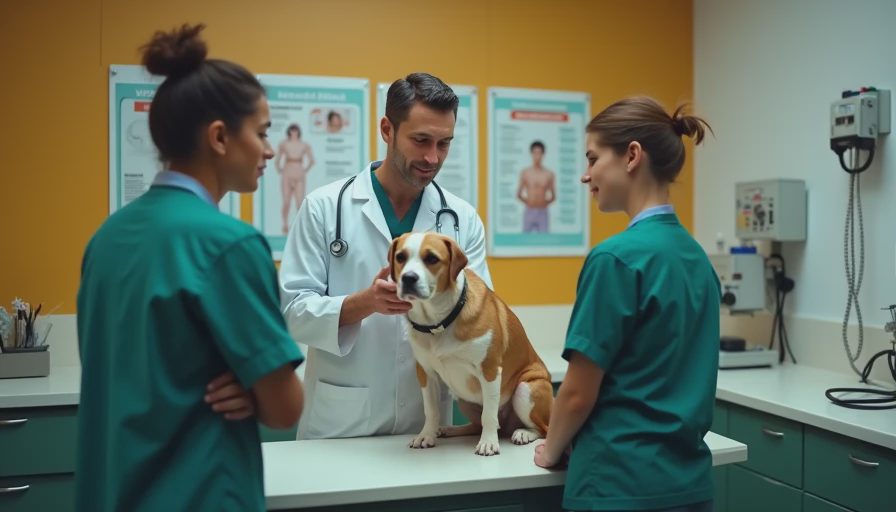
The signs of bloat in dogs can progress quickly because an expanding or twisted stomach may place pressure on the diaphragm and major blood vessels. As circulation worsens, a dog may become weak, pale-gummed, confused, or unable to stand. Breathing can look shallow or difficult. The heart rate may feel fast, but checking a pulse at home should never delay transportation.
A swollen abdomen alone does not tell you whether the problem is simple gas, food-related discomfort, intestinal blockage, or GDV. That distinction requires a veterinary examination and often abdominal X-rays. A clinic may also check blood pressure, heart rhythm, hydration, and signs of shock while preparing urgent treatment.
If your dog is retching without bringing anything up, has a painful or enlarging abdomen, collapses, or appears severely distressed, call the nearest emergency veterinary hospital while you leave. Tell the staff what you observed, when it started, what your dog ate, and whether vomiting or diarrhea occurred. Calling ahead lets the team prepare for arrival.
Do not give food, water, human medication, gas remedies, or oil unless a veterinarian specifically instructs you to do so. Do not try to make your dog vomit, massage the abdomen, or wait for a bowel movement to solve the problem. These actions can waste valuable time or worsen irritation.
Which dogs may face higher risk
The signs of bloat in dogs can occur in any dog, but GDV is more commonly associated with large, deep-chested breeds. Great Danes, German Shepherd Dogs, Irish Setters, Standard Poodles, Weimaraners, Doberman Pinschers, and similar body types are often discussed as higher-risk groups. Older age, a close family history of GDV, rapid eating, and feeding one very large meal may also contribute to risk.
Risk factors are not a prediction. A small dog can still develop a serious abdominal emergency, and a large dog may never experience one. Avoid blaming yourself for a single meal or missed clue. The useful approach is to understand your dog’s normal routine and respond promptly when that routine changes.
Ask your veterinarian whether a slow-feeding bowl, smaller meals, activity timing, or preventive gastropexy is appropriate for your dog. Gastropexy is a surgical procedure that attaches the stomach to the body wall to reduce the chance of twisting; it does not prevent every cause of stomach enlargement. It is a breed- and patient-specific discussion, not a do-it-yourself prevention step.
What to record before calling the vet
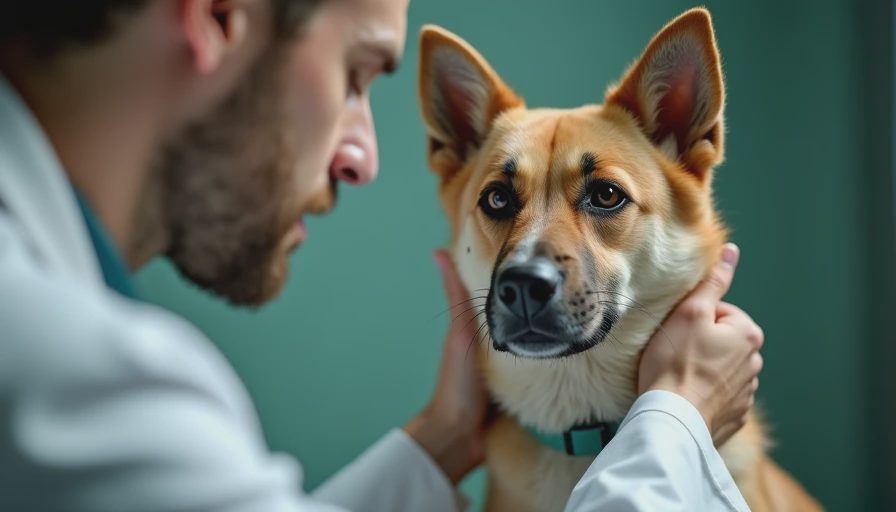
When reviewing the signs of bloat in dogs, a short timeline can help the veterinary team make faster decisions. Write down the last normal meal, the amount and type of food, treats, water intake, exercise, and the time you first noticed restlessness or retching. If safe, note your dog’s gum color and whether the abdomen appears different from usual. Do not force your dog to lie still for an inspection.
Take a brief video of unusual pacing, breathing, or retching only if you can do so without delaying departure. Bring medication information and tell the clinic about previous stomach problems, surgeries, or known heart conditions. If your dog is collapsed, breathing poorly, or in obvious pain, skip documentation and go directly to emergency care.
This information does not diagnose the problem, but it gives the veterinary team a clearer starting point. Symptoms that seem small in isolation can become meaningful when they started suddenly and occur together.
Preventive habits that are actually practical
You cannot eliminate every risk, but daily routines can support safer digestion. Feed measured portions rather than leaving a large amount available all day, and ask your veterinarian how many meals fit your dog’s age, size, and medical needs. A slow feeder can help a dog that gulps food, though it should not be treated as complete protection against GDV.
Avoid intense running, jumping, or rough play immediately after a large meal. Make changes to food gradually over several days, and keep trash, spoiled food, and unfamiliar treats out of reach. Puzzle feeders can provide mental stimulation, but choose a design your dog can use calmly without swallowing pieces.
The best prevention is also observation. Notice how your dog normally eats, rests, breathes, and reacts to touch. That baseline makes a true change easier to recognize.
A calm plan for a frightening moment
The signs of bloat in dogs are worth learning because early action matters, but reading about them should not leave you watching every normal burp with dread. Look for the pattern: sudden discomfort, repeated unproductive retching, abdominal enlargement or tightness, breathing changes, weakness, or collapse. One symptom may have several explanations; a cluster of urgent symptoms deserves immediate veterinary attention.
Save the phone number and address of your regular veterinarian and the closest emergency hospital before you need them. If these warning signs appear, transport your dog safely and call ahead. Your veterinarian can explain the next steps, including whether your dog needs imaging, stabilization, surgery, or monitoring.
You do not need to diagnose GDV from your couch. You do need to recognize that a distressed dog with repeated retching or a changing abdomen cannot be safely managed with internet remedies. Notice the change, communicate clearly, and seek urgent care.


No notes yet — write the first one.