If you have noticed redness, discharge, or extra blinking, you may be wondering: can dogs get pink eye? They can develop conjunctivitis, an inflammation of the conjunctiva, the thin tissue covering part of the eye and lining the eyelids. However, a red eye is a symptom, not a diagnosis. Allergies, a scratch, dry eye, irritation, infection, or a more serious eye problem can look similar at first.
You do not have to panic, but you do need to notice. Eye conditions can become painful quickly, and dogs often hide discomfort until the problem is advanced. The safest approach is to observe the pattern, prevent rubbing, and contact your veterinarian for guidance rather than using leftover medication from another pet or human eye drops.
What pink eye can look like in dogs
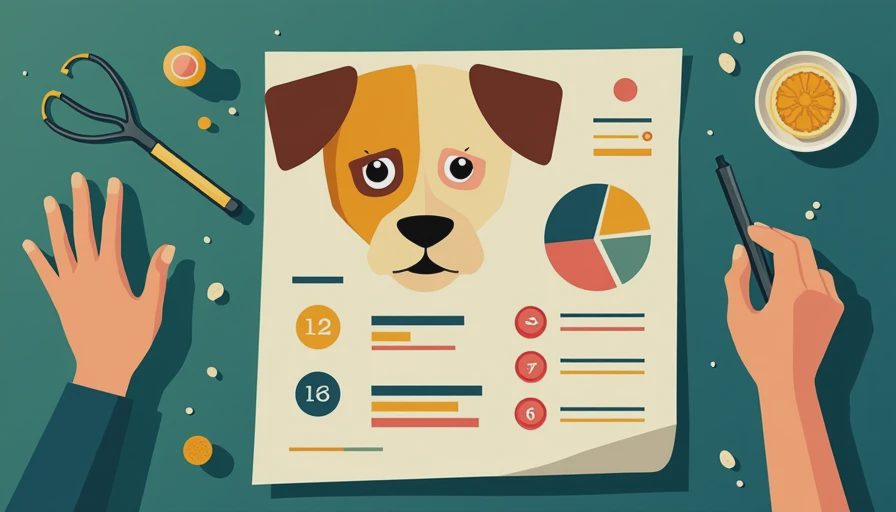
Conjunctivitis may cause one or both eyes to look pink or red. You might see watery tears, yellow or green discharge, crusting around the eyelids, swelling, frequent blinking, squinting, or your dog rubbing the face against furniture or the carpet. Some dogs become more sensitive to light. Others simply appear tired and keep one eye partly closed.
When owners ask can dogs get pink eye, they are often describing these visible changes. The challenge is that the same signs can occur with a corneal ulcer, a foreign object such as a grass seed, eyelid hairs rubbing the eye, glaucoma, or inadequate tear production. A small scratch can worsen if a dog repeatedly paws at the area.
Look at both eyes in the same lighting and compare them. Note whether the discharge is clear and watery or thick and colored, whether the issue began after a walk, grooming appointment, swimming session, or dusty indoor cleanup, and whether your dog seems painful. A quick photo can help you show your veterinarian how the eye looked earlier.
Why dogs develop red, irritated eyes
There is no single answer to can dogs get pink eye because several different problems can produce conjunctivitis-like symptoms. Environmental allergies may cause redness, itching, and watery discharge, especially during high-pollen seasons. Smoke, shampoo, dust, wind, and pool chemicals can irritate the surface. Bacterial or viral infections are also possible, although infection is not the explanation for every red eye.
A blocked tear duct can leave moisture and discharge on the face. Dogs with dry eye may develop thick mucus, redness, and recurring irritation because the eye is not being adequately lubricated. Some breeds with prominent eyes or facial folds have anatomy that increases the chance of exposure and rubbing. Trauma, a thorn, or another foreign body requires prompt attention.
Your veterinarian may use a fluorescein stain to look for a corneal scratch and measure tear production with a Schirmer tear test. They may also check eye pressure, examine the eyelids, and look for debris. These tests help separate an uncomplicated surface irritation from a condition requiring specific treatment.
Is pink eye contagious between dogs or people?
Can dogs get pink eye from another dog? Sometimes an infectious eye problem can spread between animals, but many cases come from allergies, injury, anatomy, or irritation and are not contagious. Because you cannot identify the cause by appearance alone, use sensible precautions until your veterinarian weighs in.
Wash your hands after cleaning the eye, avoid sharing towels or grooming cloths, and do not let dogs with active discharge share close face-to-face contact. If one dog in a household develops signs, monitor the others without automatically treating them. Do not assume a human case of conjunctivitis transferred to your dog; the causes and treatment decisions are not interchangeable.
Most importantly, avoid applying human redness-relief drops, contact lens solution, or an old prescription. Products containing steroids can be dangerous when a corneal ulcer is present, and the wrong antibiotic will not address allergies, dry eye, glaucoma, or a foreign object.
When an irritated eye needs urgent care
Can dogs get pink eye and still need same-day veterinary care? Yes. Seek prompt help if your dog is squinting persistently, holding the eye closed, showing obvious pain, or rubbing hard enough to risk injury. A cloudy, blue, bulging, or unusually firm-looking eye is also concerning. So is sudden vision trouble, unequal pupils, bleeding, a visible object, or redness after trauma.
Contact a veterinarian soon if discharge is thick or worsening, the eyelids are significantly swollen, both eyes are affected with other illness signs, or symptoms do not improve quickly after removing a suspected mild irritant. Puppies, senior dogs, and pets with immune problems deserve a lower threshold for a call.
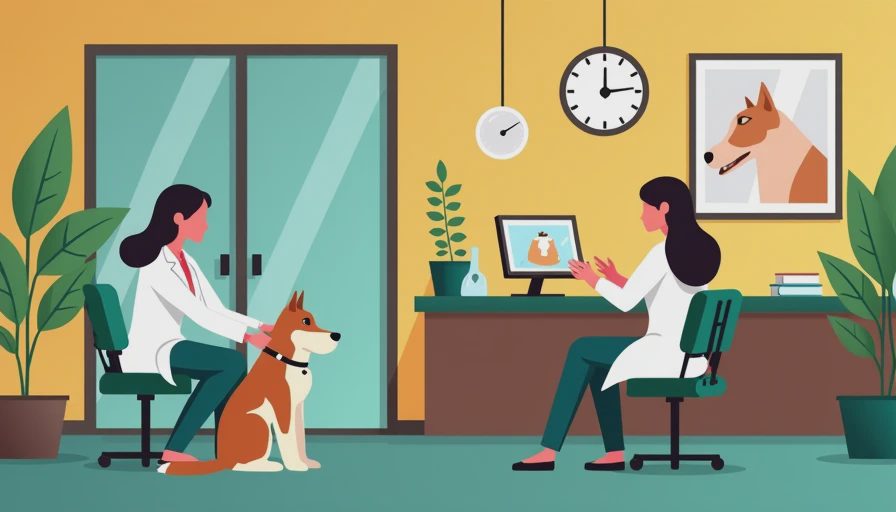
A veterinary clinic may recommend an appointment the same day, within 24 hours, or careful monitoring based on the exam and your dog’s comfort. Eye pain is the detail that should move this from casual observation to a faster conversation.
What you can safely do before the appointment
Start by preventing rubbing. A properly fitted Elizabethan collar, often called a cone, can protect the eye while you arrange care. Keep your dog away from smoke, dust, yard debris, and strong cleaning products. If discharge has dried on the surrounding fur, soften it with a clean, warm, damp cloth and gently wipe outward. Use a fresh section of cloth for each pass and avoid touching the eyeball.
Do not force the eyelids open, scrape away debris, or rinse repeatedly with homemade mixtures. If you know shampoo or a chemical entered the eye, call a veterinarian or pet poison service promptly for specific flushing instructions. Bring medication containers to the appointment and write down when the signs began.
If the veterinarian prescribes drops or ointment, follow the schedule for the full instructed duration. Wash your hands, keep the applicator tip from touching the eye, and offer calm praise afterward. Stopping treatment as soon as the redness fades can allow the underlying problem to return.
Questions to ask your veterinarian
When discussing can dogs get pink eye, ask what the likely cause is and what findings support that conclusion. Ask whether the cornea was stained, whether tear production and eye pressure were checked, and whether the other eye needs monitoring. Find out how soon improvement should appear and what changes require a recheck.
Also ask whether your dog should avoid daycare, boarding, swimming, muddy trails, or contact with other pets during recovery. If episodes keep returning, ask about allergies, dry eye, eyelid anatomy, tear-duct problems, or environmental triggers instead of treating each flare as an isolated infection.
The good news is that many causes of red, irritated eyes are manageable when addressed early. The useful first step is not guessing from a photo or borrowing medication. Observe the discharge, comfort, timing, and behavior; protect the eye from rubbing; and give your veterinary team those details. That practical information helps them choose safer, more targeted care.


No notes yet — write the first one.