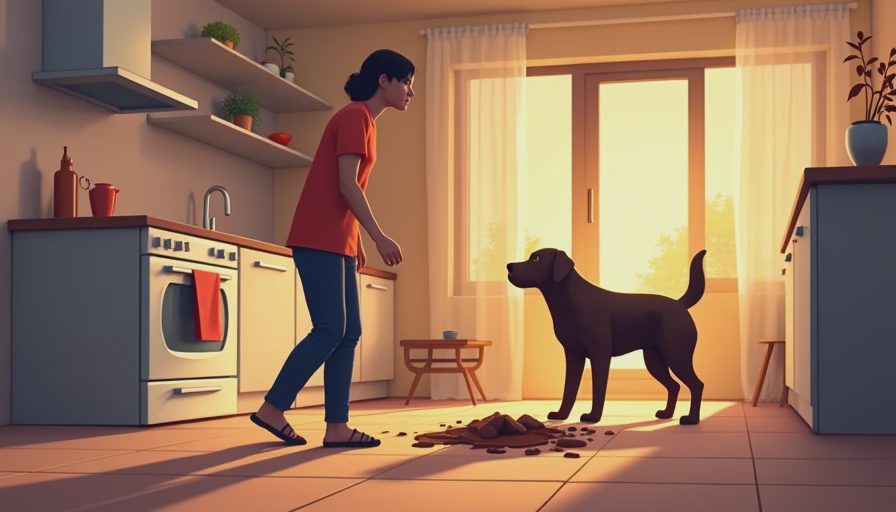
If you are searching for what happens to dogs when they eat chocolate, you may be staring at an empty wrapper and a worried dog. You do not have to panic, but you do need to notice the details and act promptly. Chocolate contains theobromine and caffeine, stimulants that dogs process much more slowly than people do. The risk depends on the type and amount of chocolate, your dog's weight, and how long ago the chocolate disappeared.
Why chocolate can make dogs sick
Theobromine is the main concern in chocolate poisoning. It can stimulate a dog's nervous system, increase heart activity, and affect the muscles. Caffeine adds another stimulant effect. A small milk chocolate candy may cause little or no illness in a large dog, while a few squares of baker's chocolate can be dangerous for a small dog. That is why a simple statement such as “my dog ate chocolate” is not enough to estimate risk.
Dark chocolate, semisweet chocolate, cocoa powder, and baker's chocolate generally contain more theobromine than milk chocolate. White chocolate contains very little theobromine, but it is still high in fat and sugar and can cause stomach upset. Some chocolate products also contain raisins, macadamia nuts, or xylitol. Xylitol is a separate emergency because it can cause a rapid drop in blood sugar and liver injury in dogs.
When considering what happens to dogs when they eat chocolate, think of the body as receiving a stimulant dose that it cannot clear efficiently. The effects can start with an upset stomach and progress to heart or neurologic problems. Not every exposed dog becomes critically ill, but you cannot judge safety from appearance alone.
Signs to watch for after chocolate exposure
Early signs often include vomiting, diarrhea, restlessness, panting, increased thirst, and frequent urination. A dog may seem unable to settle, pace around the room, or act unusually alert. These changes can appear within several hours, although symptoms sometimes take longer to become obvious. A dog that looks normal right after eating chocolate is not necessarily in the clear.
More serious signs include a fast or irregular heartbeat, tremors, weakness, trouble walking, seizures, collapse, or difficulty breathing. Severe stimulation can also cause a dangerous rise in body temperature. The absence of symptoms should not delay a call if the quantity or type is concerning.
This is where what happens to dogs when they eat chocolate becomes more than a stomach issue. Theobromine can remain in the body for many hours, so symptoms may continue or worsen without treatment. Do not wait for a seizure or collapse before asking for help. A veterinary professional can use the product, amount, timing, and your dog's weight to guide the next step.
What to do right now
First, move the remaining chocolate away from your dog and find the package. Write down the product name, chocolate type, approximate amount missing, and the time it may have been eaten. If the wrapper is missing, check the trash, dog bed, yard, or other places where your dog may have carried it. Take a photo of the label if that is faster than reading every ingredient.
Call your veterinarian, an emergency veterinary hospital, or a pet poison service for individualized advice. Be ready to share your dog's weight, age, medical conditions, medications, and current symptoms. Puppies, senior dogs, and dogs with heart problems may need particularly careful assessment.
Do not give hydrogen peroxide, milk, oil, salt, or other home remedies unless a veterinary professional specifically directs you. Making a dog vomit at the wrong time can cause aspiration or additional injury. It may also be unsafe if the dog is already sleepy, trembling, having trouble breathing, or showing neurologic signs. Getting professional guidance early is usually safer and more useful than trying to treat the problem in the kitchen.

How veterinarians assess the risk
A clinic usually starts by calculating the likely exposure from the chocolate's concentration and your dog's body weight. The team may ask whether the chocolate was milk, dark, semisweet, or baker's chocolate and whether the product included other toxic ingredients. They will also consider whether wrappers were swallowed, since packaging can create an obstruction risk.
If the exposure was recent and your dog is alert and stable, a veterinarian may discuss controlled vomiting at the clinic. Treatment can also include activated charcoal in selected cases, fluids, temperature monitoring, medication for tremors or an abnormal heart rate, and observation. The best plan depends on the actual exposure, not just the number of pieces eaten.
Understanding what happens to dogs when they eat chocolate can make the clinic process feel less mysterious. The goal is to reduce absorption, support the heart and nervous system, and watch for delayed complications. A dog that receives prompt care often has a better chance of avoiding severe illness than one whose symptoms are allowed to build at home.
Common situations that confuse owners
A large dog eating one small milk chocolate chip cookie is not the same situation as a small dog eating a bag of dark chocolate truffles. The recipe matters, too. Brownies, baking mixes, chocolate-covered espresso beans, and cocoa-based desserts can contain more stimulant ingredients than their size suggests. Sugar-free products may add xylitol to the concern.
Owners sometimes assume that vomiting means the danger has passed. It does not. Some chocolate may have already moved beyond the stomach, and theobromine can continue circulating. Others assume that a dog who ate chocolate overnight cannot be helped the next morning. Delayed treatment can still matter, especially if symptoms are present or the amount was substantial.
When thinking about what happens to dogs when they eat chocolate, avoid relying on internet anecdotes. One dog may tolerate an exposure that makes another seriously ill because body weight, product concentration, health history, and absorption all differ. A professional risk assessment is more dependable than comparing your dog with a neighbor's pet.
Preventing another chocolate scare
Store chocolate in a closed cabinet rather than on a counter, coffee table, backpack, or bedside table. Remember that visitors and children may leave candy in purses or jacket pockets. During holidays, keep gift baskets, baking supplies, and dessert plates above your dog's reach. A closed pantry is safer than a tall but open shelf if your dog is an enthusiastic counter surfer.
Teach everyone in the household that chocolate, wrappers, and sugar-free candy belong in a secured trash can. Keep your veterinarian's phone number and the nearest emergency clinic in your phone. If your dog has a history of stealing food, use baby gates, closed doors, or a crate during parties and cooking sessions.
The most useful takeaway about what happens to dogs when they eat chocolate is simple: exposure is a reason to gather facts and call for guidance, not a reason to feel ashamed. You do not have to panic, but you do need to notice. Record the product, amount, timing, weight, and symptoms, then let a veterinary professional help you decide how urgent the situation is.





No notes yet — write the first one.